

Because here’s the truth: Most home cooks think great grilling is all about marinades, sauces, or fancy rubs.
Chefs know the real secret starts before the grill even heats up. 👉 Brining.
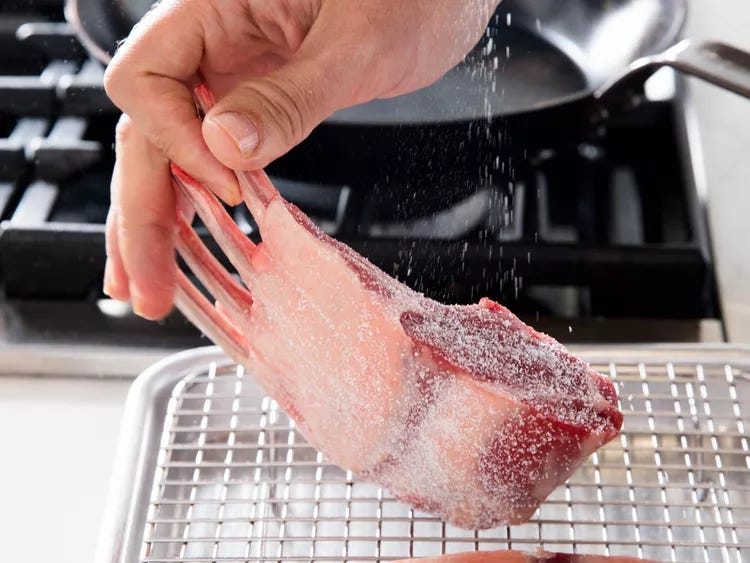
Brining is one of the easiest ways to level up your cooking and instantly make chicken and pork juicier, more flavorful, and way more forgiving on the grill. And the best part? It’s beginner-friendly and almost impossible to mess up once you understand the basics.
So let’s break it down chef-style. 👩🍳
🧠 What Is Brining?
At its core, brining is simply seasoning meat before cooking by using salt to help it retain moisture.
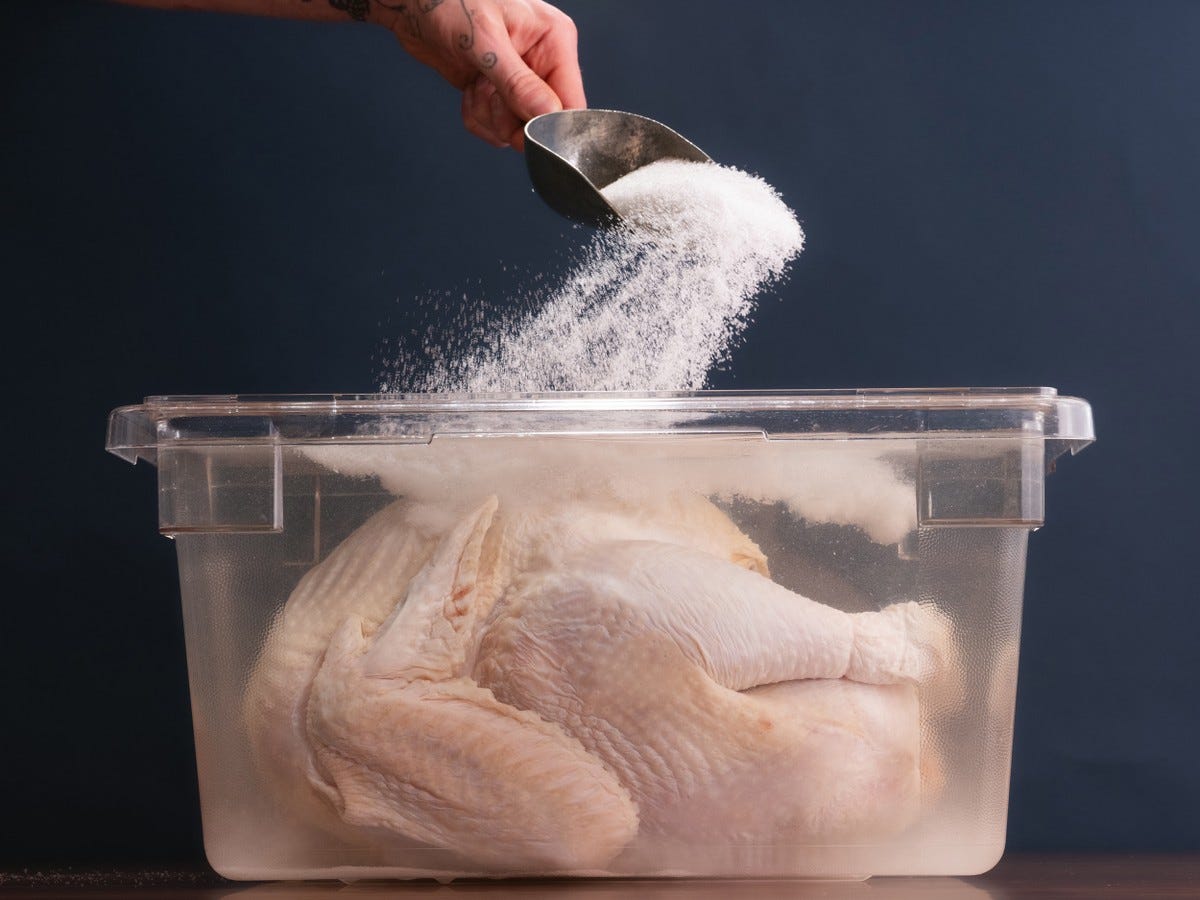
Why it matters:
Helps meat stay juicy during high-heat cooking
Seasons all the way through instead of just on the surface
Improves texture
Gives you a bigger margin for error on the grill
Translation?
Your chicken breast gets a lot harder to ruin. 😉
🥩 The Two Main Types of Brine
💧 Wet Brine
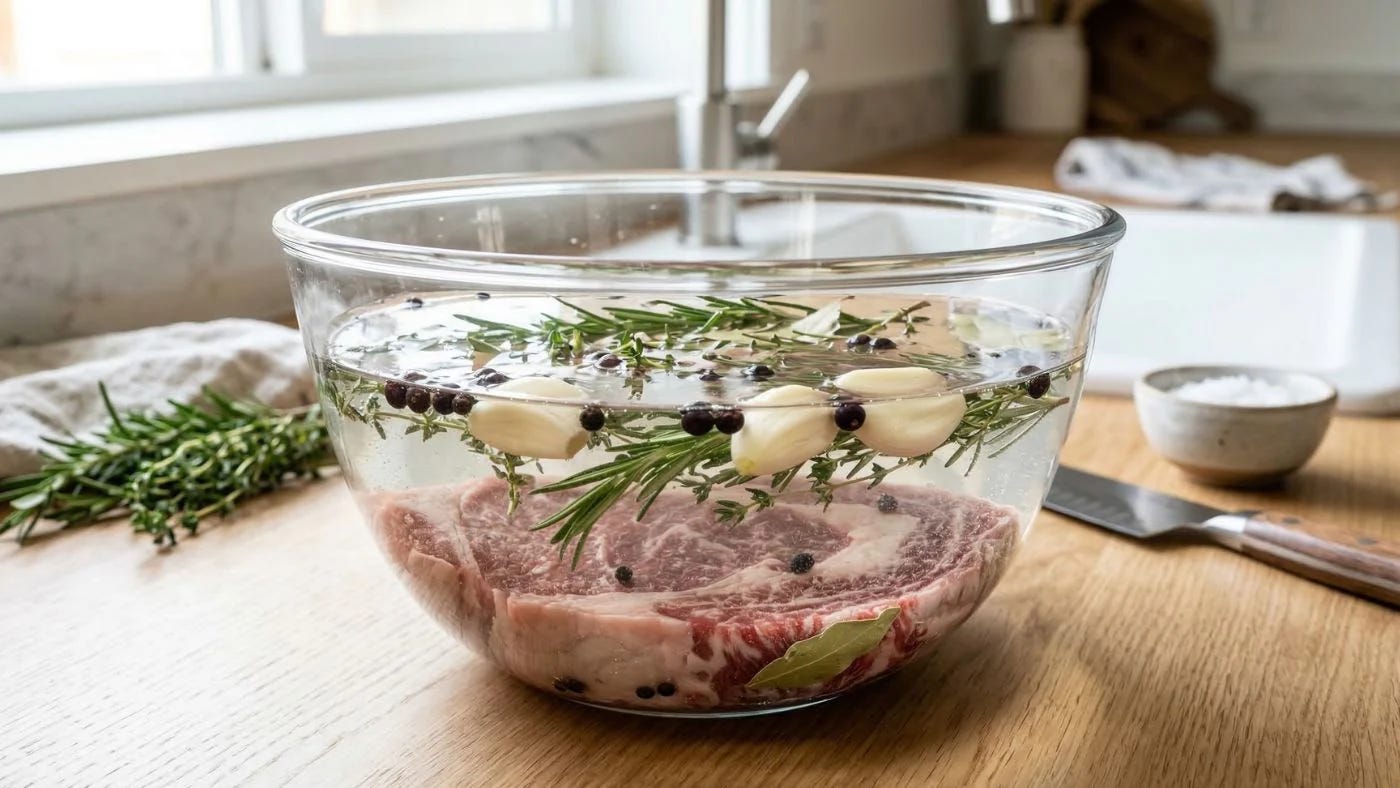
A wet brine is a mixture of water + salt (sometimes sugar and aromatics too).
The meat soaks in the liquid for several hours before cooking.
Great for:
Chicken breasts
Whole chickens
Pork chops
Turkey
Lean cuts of meat
Basic Wet Brine Ratio:
Use:
1/4 cup kosher salt to 1 quart (4 cups) water
Optional flavor boosters:
Brown sugar or honey
Garlic
Citrus
Peppercorns
Fresh herbs
Bay leaves
Chef Pro Tip 🔥
Always brine in the refrigerator—not on the counter. Food safety matters, especially in summer heat.
🧂 Dry Brine
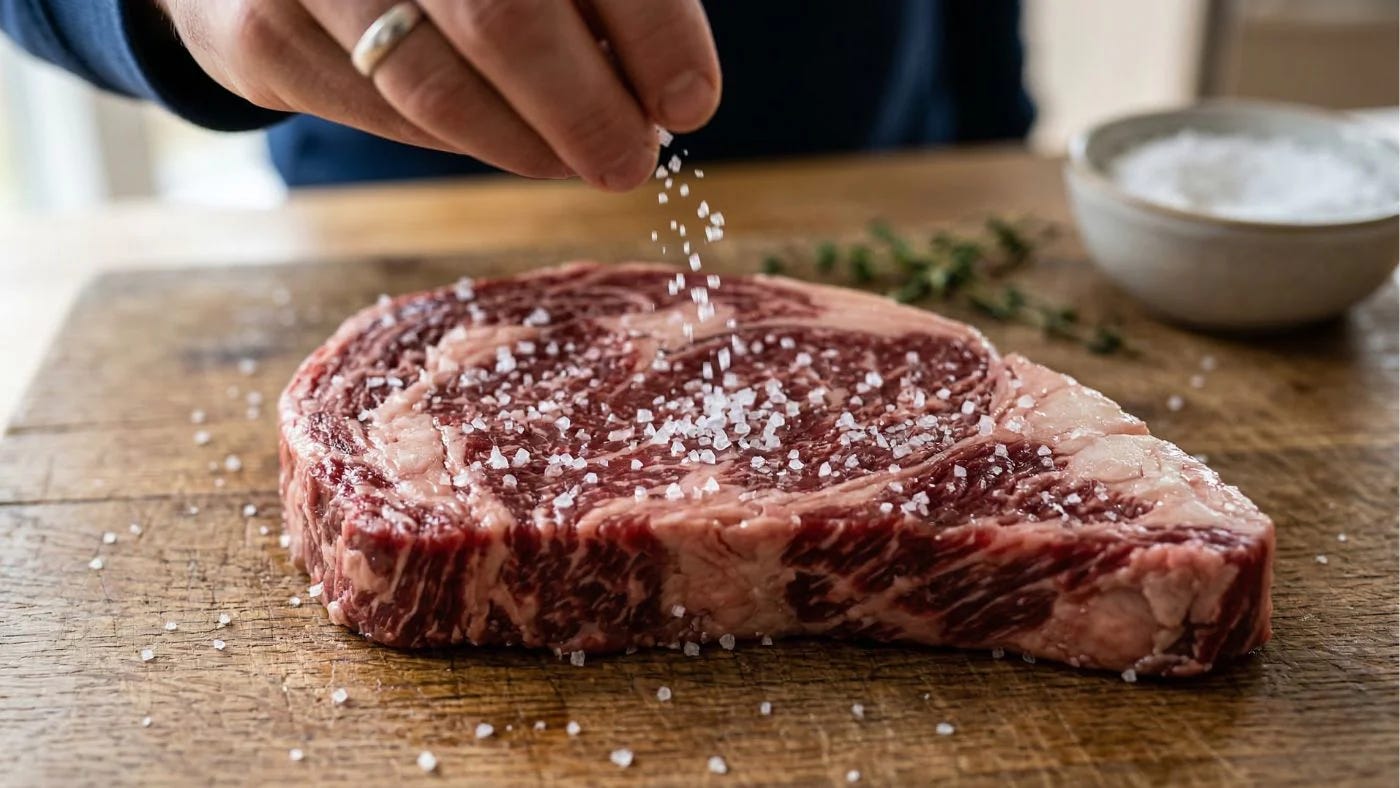
A dry brine skips the water completely.
Instead, you salt the outside of the meat and let it rest uncovered in the refrigerator.
The salt pulls moisture to the surface, then that moisture dissolves the salt and gets reabsorbed back into the meat.
✨ Science… but delicious science.
Great for:
Chicken thighs
Pork tenderloin
Steaks
Bone-in chicken
Crispy skin lovers
Why chefs LOVE dry brining:
Better browning
Crispier skin
More concentrated flavor
Less mess than wet brining
Chef Pro Tip 🔥
Dry brining overnight on a wire rack gives you restaurant-quality crispy chicken skin.
⏰ How Long Should You Brine?
Here’s where many beginners accidentally overdo it.
Too little time = not enough flavor.
Too much time = mushy texture.
General Guide:
Chicken breasts: 1–4 hours
Pork chops: 2–6 hours
Whole chicken: 8–24 hours
Dry brine steaks: overnight
Thin cuts: shorter time
💡 Rule of thumb:
The smaller the cut, the shorter the brine.
🛠️ Tools That Make Brining Easier
You don’t need restaurant equipment—but a few simple tools make a BIG difference.
Helpful Brining Tools:
Large mixing bowl or food-safe container
Resealable bags
Wire rack
Sheet pan
Paper towels
Measuring cups/spoons
Instant-read thermometer
The MVP?
An instant-read thermometer.
Because juicy chicken isn’t about guessing—it’s about temperature.
Chicken is done at: 165∘F
Pulling it at the right temperature is just as important as the brine itself.
🌡️ From the Tip Jar: How to Test & Calibrate Your Kitchen Thermometer (Like a Pro!)

BUT… even the best thermometers can drift out of sync without telling you. And that tiny shift? It can be the difference between chef’s kiss and “why is this roast suddenly dry?”
❌ Common Brining Mistakes
Using table salt instead of kosher salt
Different salts measure differently. Kosher salt is easier to control and more forgiving.
Brining too long
More is not always better.
Forgetting to pat meat dry
Wet meat steams. Dry meat grills.
Especially important for crispy skin and grill marks.
Skipping seasoning afterward
Brining adds seasoning internally—but you still want rubs, herbs, spices, and flavor on the outside.
🫙 From the Tip Jar: Simple Tricks to Make Your Food Taste Gourmet

The secret isn’t fancy ingredients or complicated techniques. It’s all about a few simple chef-approved habits that turn “everyday” into extraordinary. 🍴
🔥 Flavor Upgrade Ideas
Once you understand basic brining, you can start layering flavor like a chef.
Try adding:
Citrus peel
Jalapeño
Rosemary
Smoked paprika
Garlic
Maple syrup
Soy sauce
Black peppercorns
Brining becomes more than moisture—it becomes flavor building.
🍴 The Final Bite
Brining is one of those simple techniques that instantly makes food taste more professional. It’s not complicated. It’s not fancy. But it’s one of the biggest differences between “pretty good” grilled chicken and “wait… YOU made this?” 😏
And for beginner foodies learning to cook, that’s exactly the kind of kitchen confidence we want to build.
Want more chef secrets, cooking fixes, and restaurant-level techniques made simple?
🫙 Keep following From the Tip Jar from Chef Stacy Horn and Feed Your Soul for weekly tips that help you cook smarter, not harder.