

Before you toss the recipe (or the whole mood), let’s talk substitutions—the smart, chef-approved kind that won’t sabotage your dish.

Here’s the golden rule from my kitchen:
👉 Good substitutions work when you understand why the ingredient is there in the first place.
🧈 Butter vs. Oil: Not Always a Straight Swap
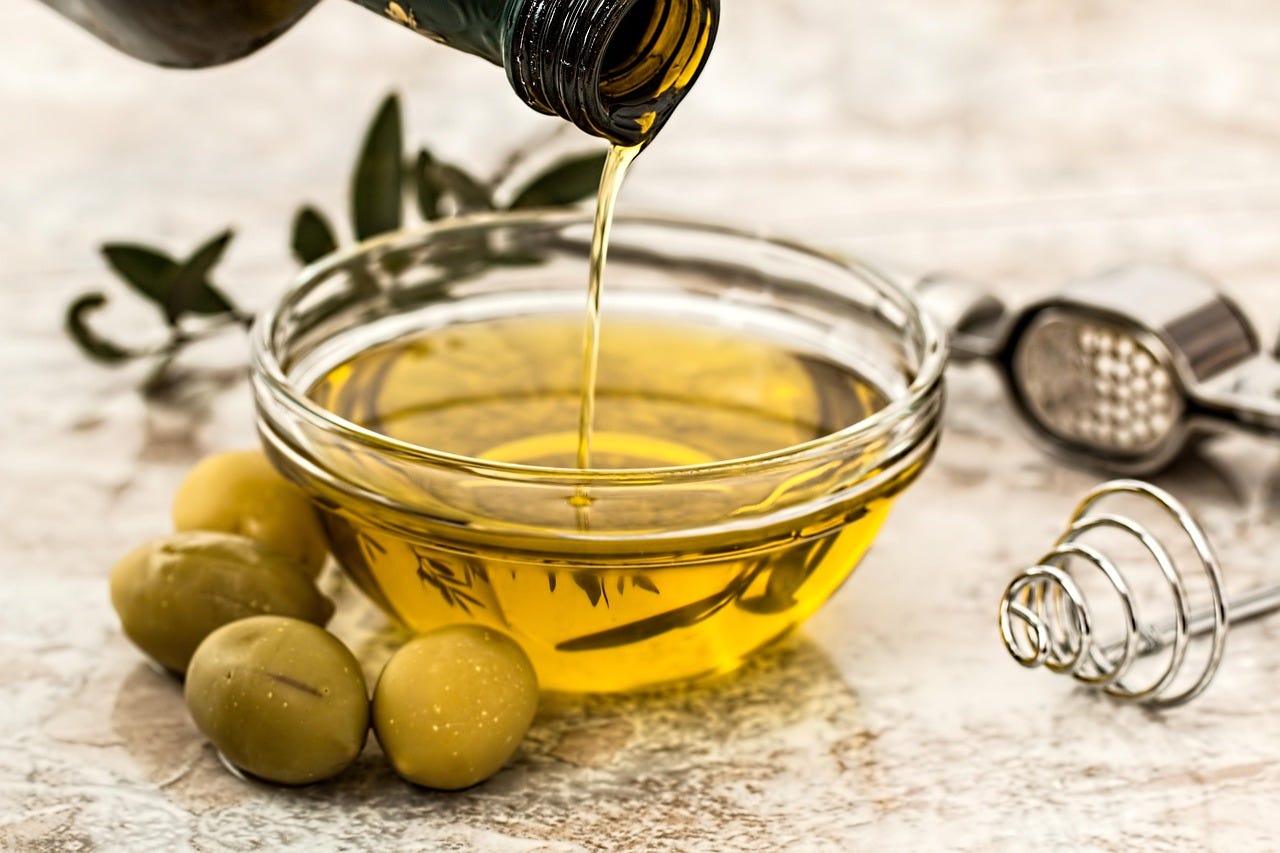
Butter brings flavor, structure, and moisture. Oil brings moisture only.
When it works:
Quick breads
Muffins
Cakes meant to be soft and tender
When it doesn’t:
Cookies that rely on butter for spread and flavor
Laminated doughs (looking at you, croissants 👀)
🧑🍳 Chef Tip: If swapping butter for oil, use about ¾ the amount of oil and expect a softer texture.
🧁 Baking Powder vs. Baking Soda: Know the Difference
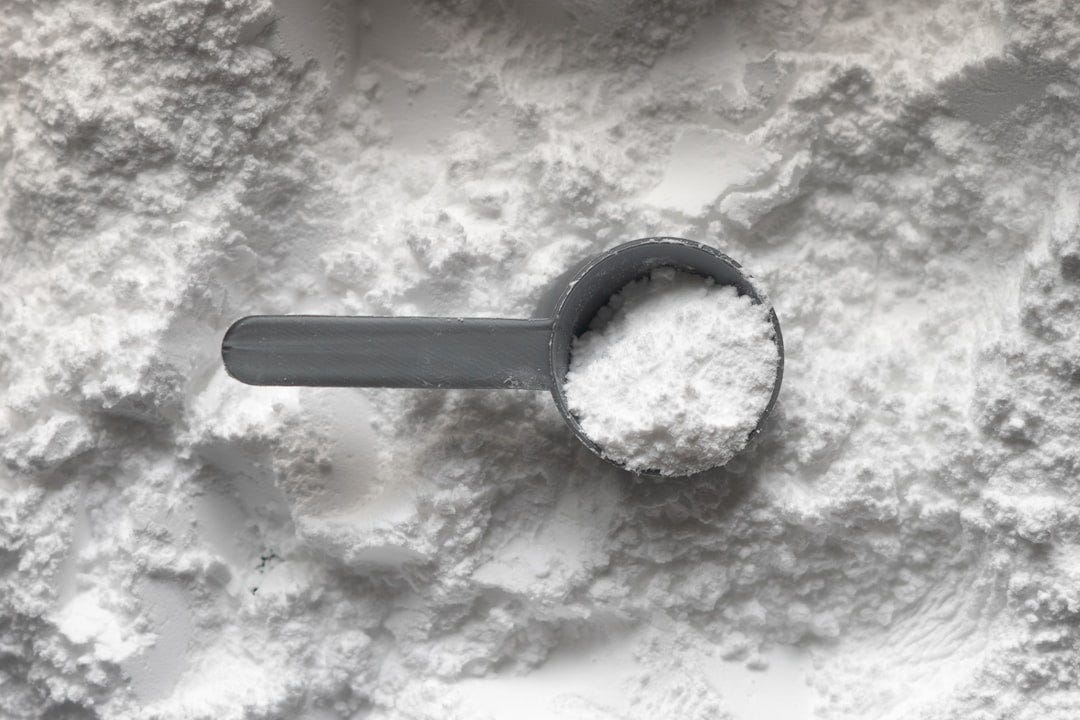
These two are not interchangeable without adjustments.
Baking soda needs an acid (buttermilk, yogurt, citrus, brown sugar)
Baking powder already contains acid
Common mistake: Swapping one-for-one and wondering why nothing rises.
🧑🍳 Chef Tip: If a recipe uses baking soda, check for an acidic ingredient before attempting a swap.
🥚 Egg Substitutes: Depends on the Job
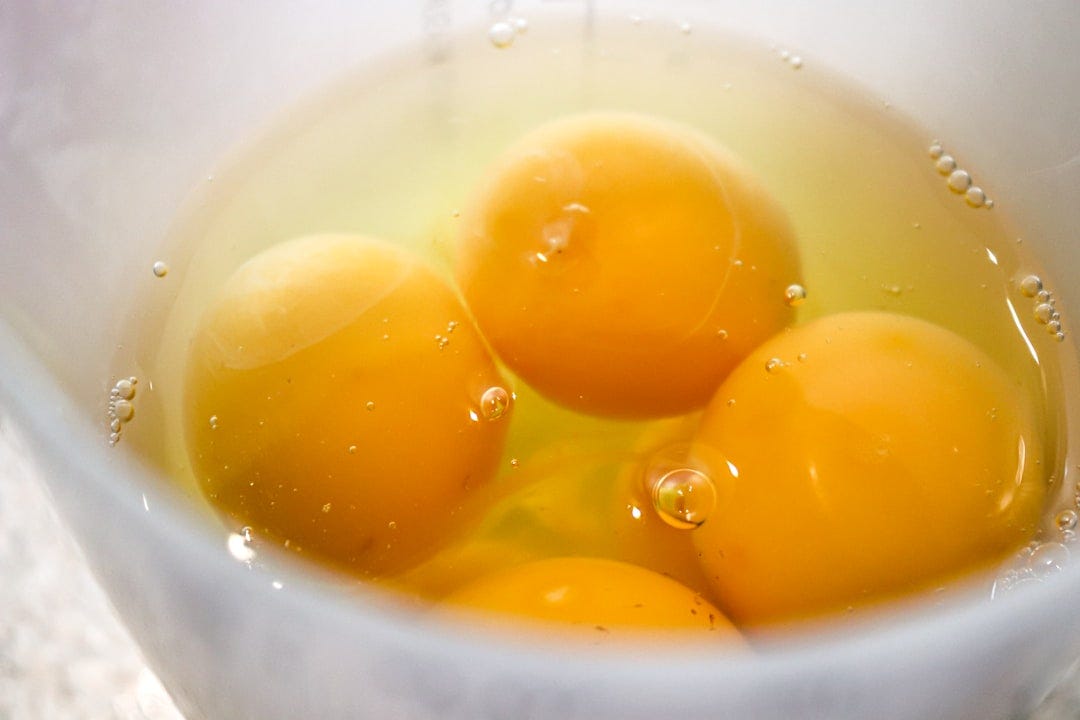
Eggs can act as:
A binder
A leavener
A source of moisture
Good swaps:
Applesauce or mashed banana → moisture (cakes, muffins)
Yogurt → richness + binding
Flax “eggs” → structure in hearty bakes
🧑🍳 Chef Tip: Egg substitutes work best in simple baked goods. Don’t try them in soufflés or custards unless chaos is your goal 😅
🥛 Dairy-Free Milk Swaps: Choose Wisely
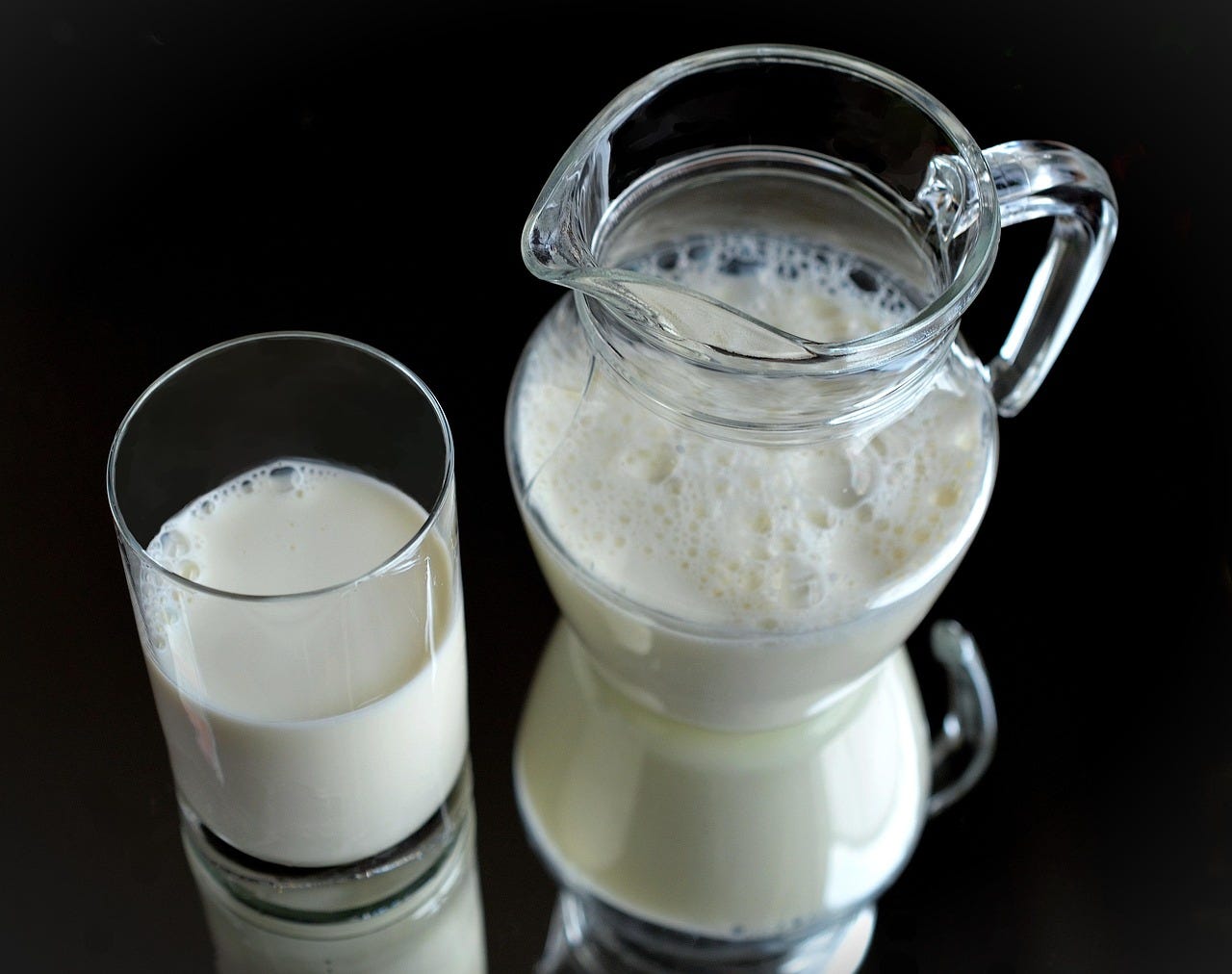
Not all plant milks behave the same.
Best all-purpose swaps:
Oat milk
Soy milk
Use cautiously:
Almond milk (thin, less protein)
Coconut milk (very rich—great for curries, tricky for baking)
🧑🍳 Chef Tip: Match the fat level of the original ingredient whenever possible.
Not all dairy-free milks are created equal. Picking the right one can make or break your dish.
🥩 Protein Swaps in Savory Cooking
Savory cooking is far more flexible than baking—but timing and texture still matter.
Smart swaps:
Chicken thighs ↔ pork shoulder (braises, stews)
Shrimp ↔ scallops (quick sautés)
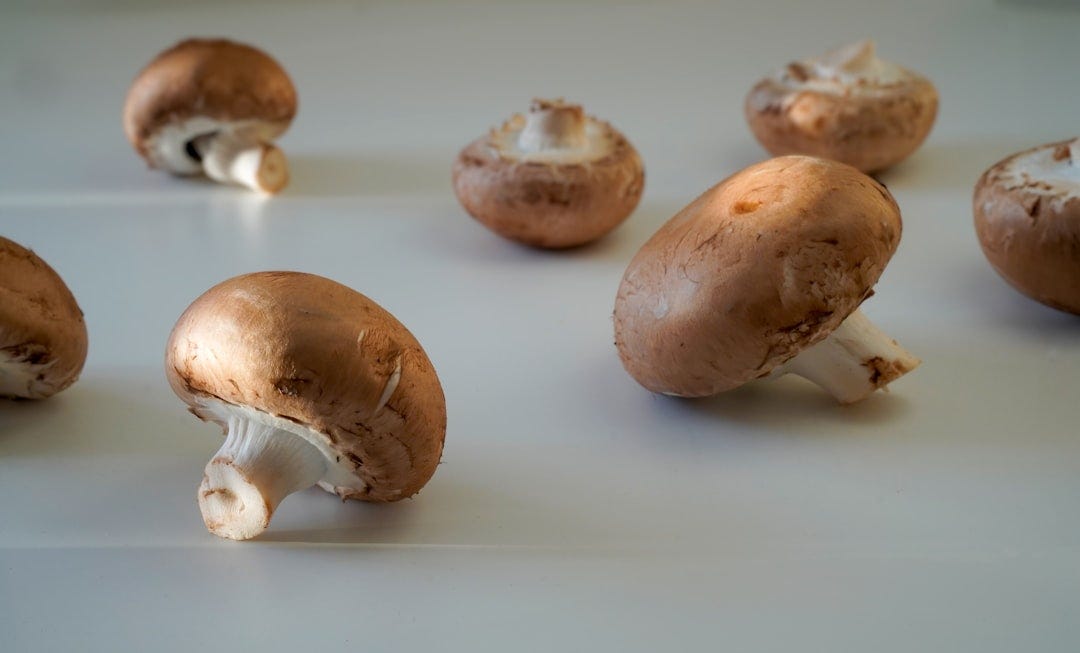
Tofu ↔ mushrooms or eggplant (umami-forward dishes)
🧑🍳 Chef Tip: Match cook time and fat content, not just protein type.
🧅 Aromatics Are Your Secret Weapon
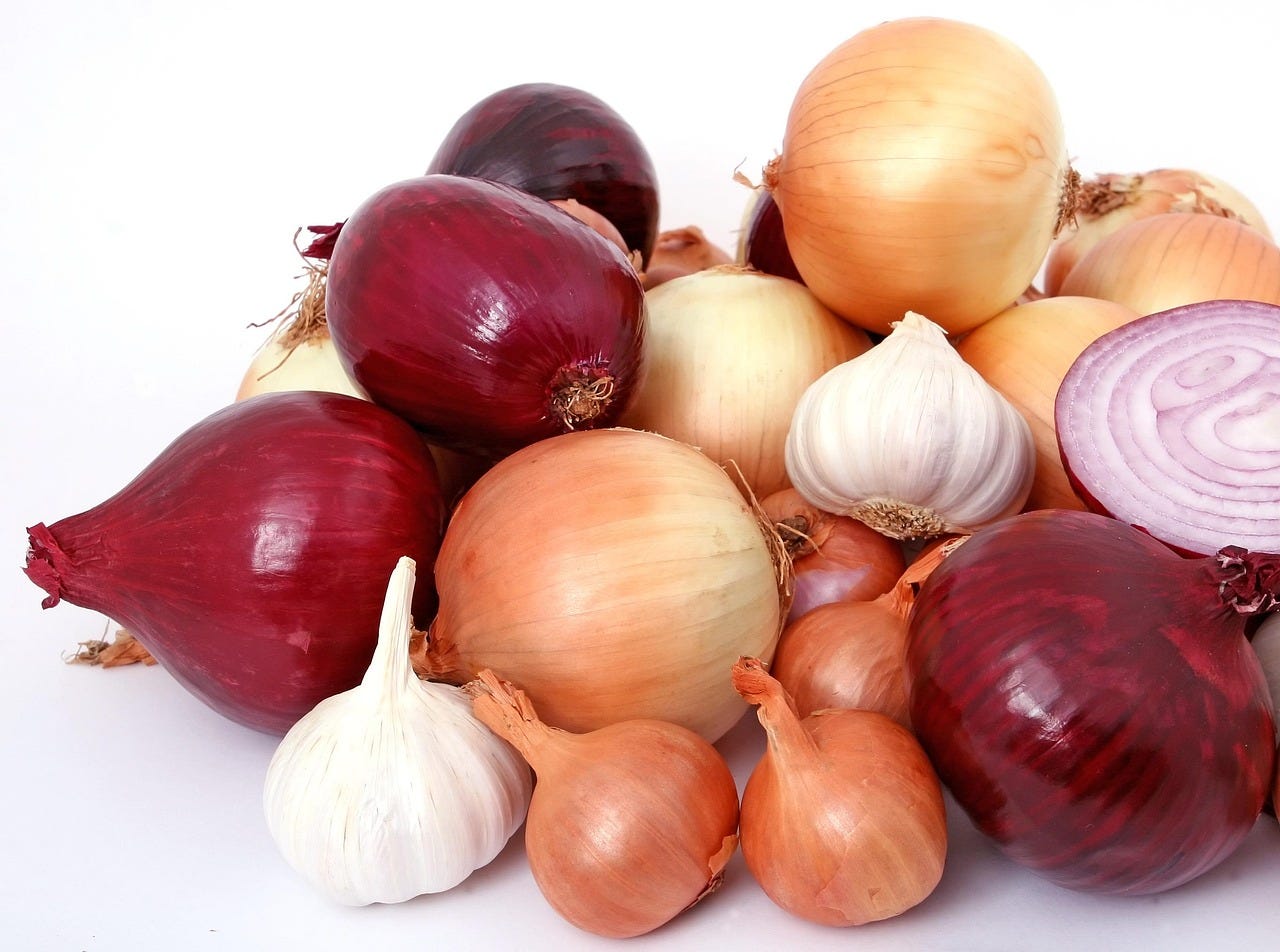
Out of shallots? No problem.
Missing leeks? Adapt.
Common swaps:
Shallot → onion + garlic
Leek → onion (use less)
Fresh garlic → roasted garlic or garlic paste
🧑🍳 Chef Tip: Start gently—aromatics can overpower fast.
🌿 Herbs & Seasonings: Fresh vs. Dried
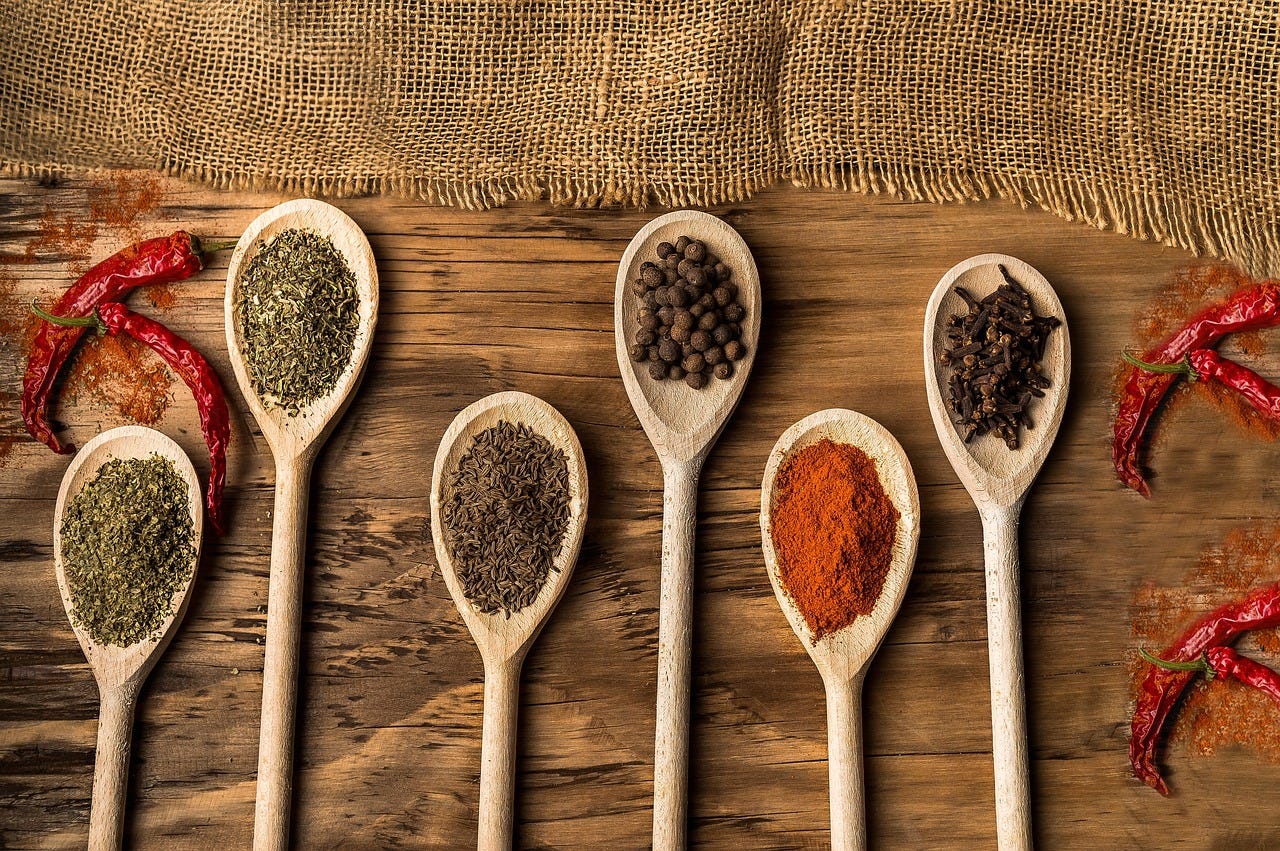
This is one of the most common savory substitution questions.
Rule of thumb:
1 tablespoon fresh = 1 teaspoon dried
🧑🍳 Chef Tip: Add dried herbs earlier to bloom their flavor; add fresh herbs at the end for brightness.
🍲 Broth, Stock & Liquid Swaps
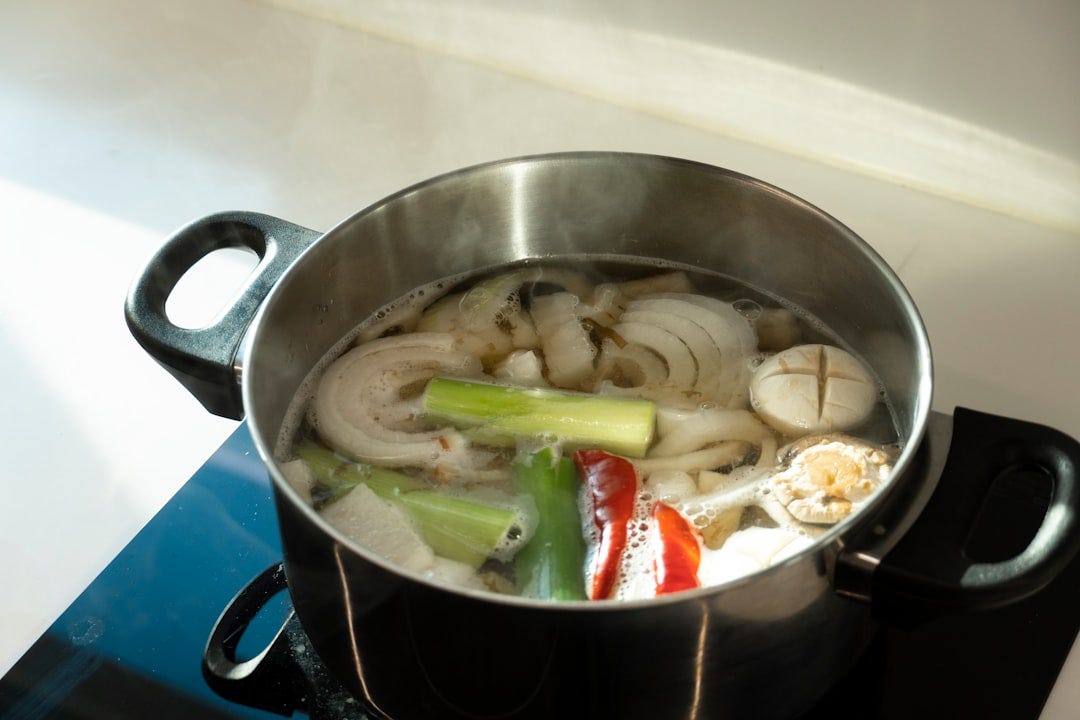
No stock? Still dinner.
Options:
Water + aromatics
Vegetable stock for chicken stock (lighter dishes)
Mushroom broth for added depth
🧑🍳 Chef Tip: Taste and adjust salt—store-bought stocks vary wildly.
📚 Chef-Approved Resource for Savory Swaps
One of my favorite professional references on this topic is a savory-focused ingredient swap guide from the Culinary Institute of America. It reinforces what I teach in classes:
✔ Swap based on technique
✔ Respect cook time
✔ Let flavor profiles guide your choices
It’s a great reminder that confident cooking is about problem-solving, not perfection.
🍴 The Final Bite
The best cooks aren’t the ones who follow recipes word for word—they’re the ones who understand how food behaves.
Stick with The Tip Jar, and I’ll keep helping you cook with confidence, flexibility, and joy—whether you’re missing an ingredient or just feeling adventurous.
✨ Come back every week to see what I’m cooking, teaching, and sharing next.