

One of the biggest confidence boosts in cooking isn’t a fancy technique — it’s knowing what flavors love each other. When you understand pairing, you stop following recipes blindly and start cooking intuitively.
Today we’re building your flavor memory bank. 💛
The Basics of Herb & Spice Pairing
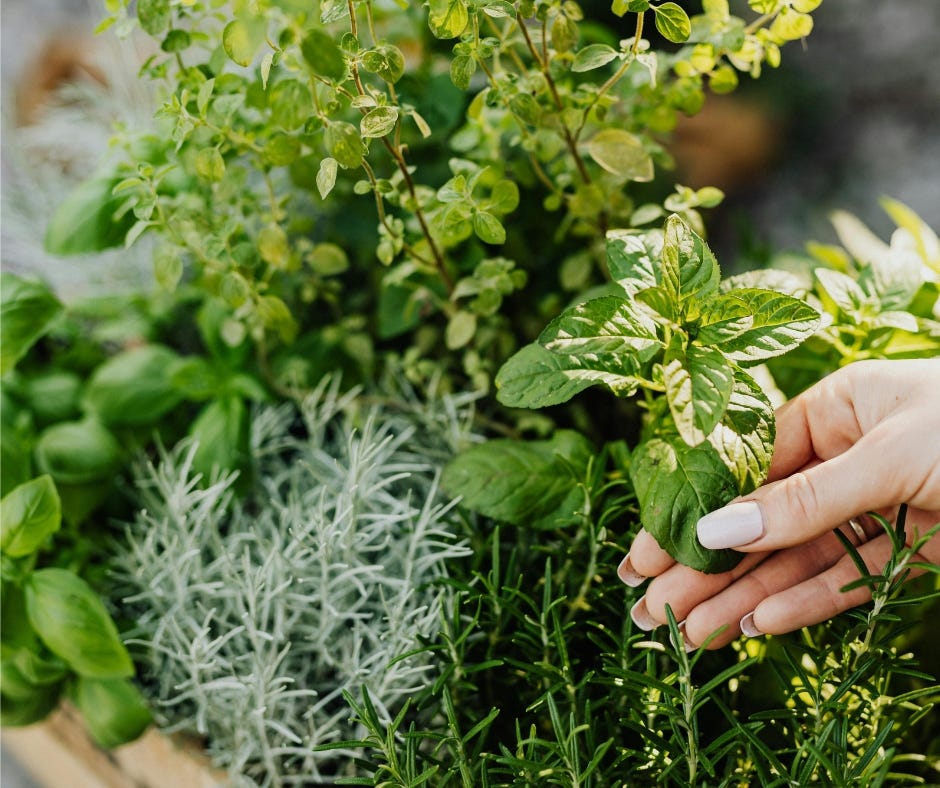
When it comes to making your dishes pop, understanding the basics of pairing herbs and spices is crucial. This foundational knowledge opens a world of flavor combinations that transform simple meals into memorable culinary delights.
🌿 The Fresh Herb Cheat Sheet
Fresh herbs bring brightness, aroma, and personality. Think of them as the “finishing touch” layer of flavor.
🍅 Basil
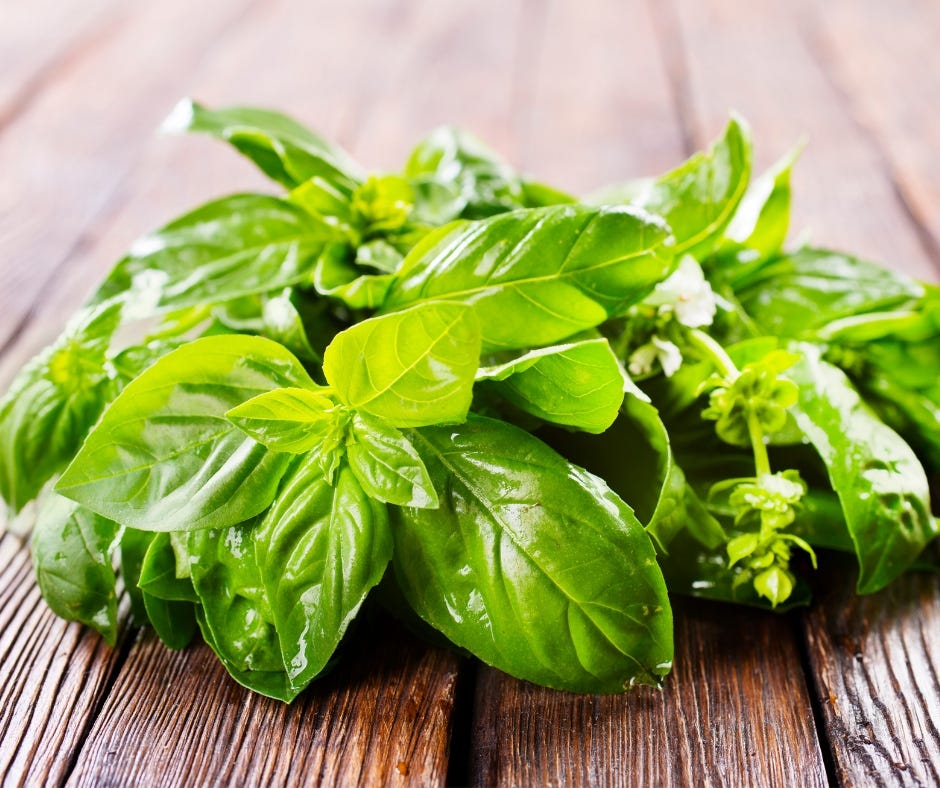
Best with: Tomato, mozzarella, chicken, strawberries, lemon
Why it works: Basil’s sweet, peppery notes love acidity and fresh dairy.
Try it: Basil + tomato + flaky salt + good olive oil = instant magic.
🐟 Dill
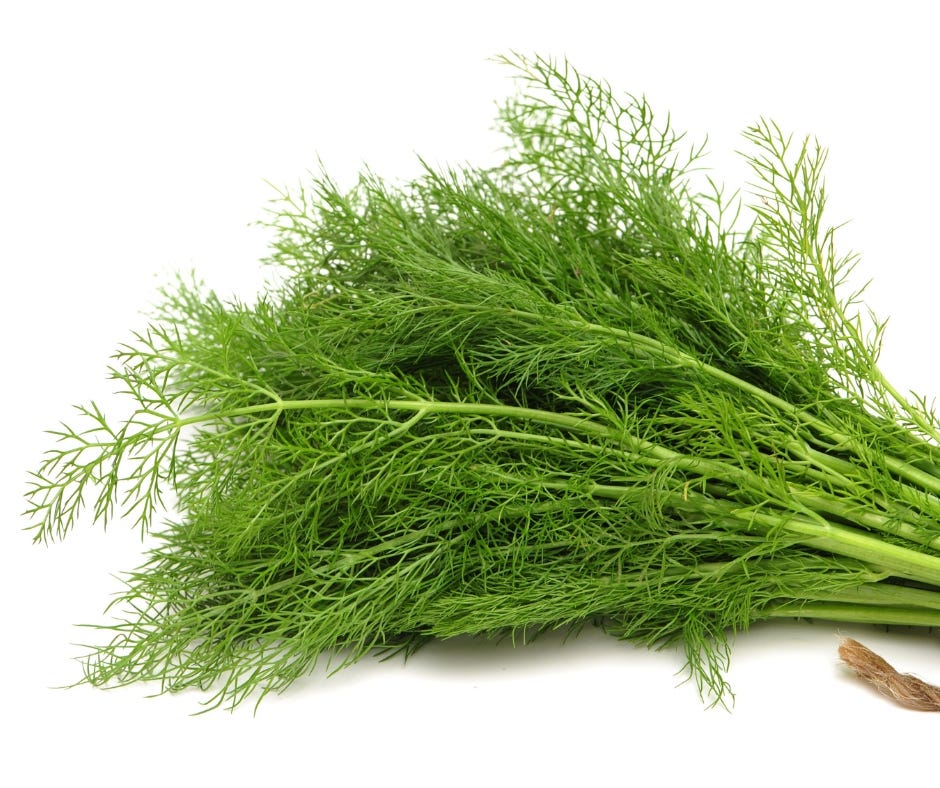
Best with: Fish, salmon, yogurt, cucumber, potatoes
Why it works: Dill’s grassy brightness balances richness and seafood beautifully.
Try it: Dill + Greek yogurt + lemon = effortless sauce.
🌮 Cilantro
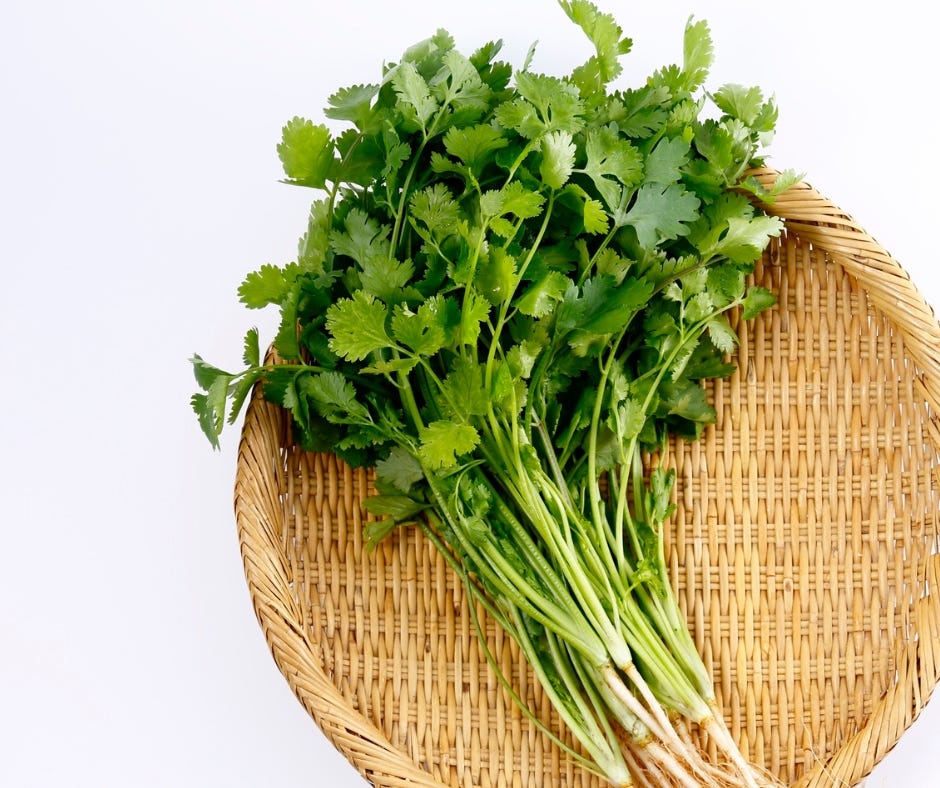
Best with: Lime, avocado, chili, black beans, grilled meats
Why it works: Citrus + heat + cilantro = freshness that pops.
Try it: Finish soups or tacos with chopped cilantro right before serving.
🍗 Thyme
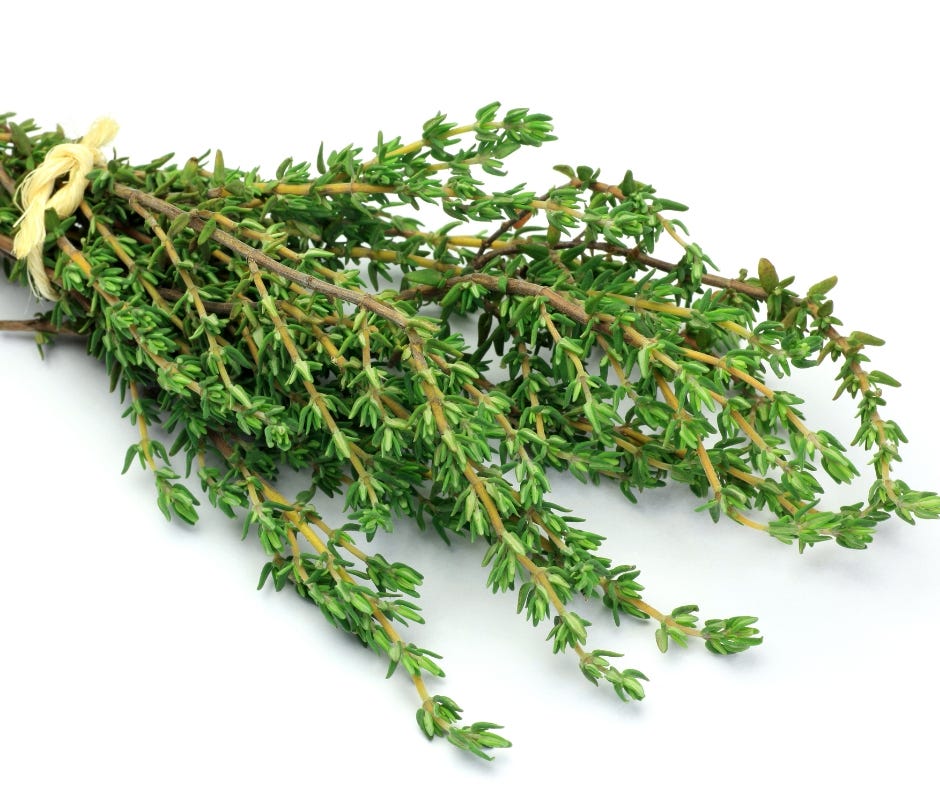
Best with: Chicken, mushrooms, potatoes, cream sauces
Why it works: Earthy and subtle, thyme deepens savory dishes.
Try it: Add early in cooking to infuse flavor.
🍝 Rosemary
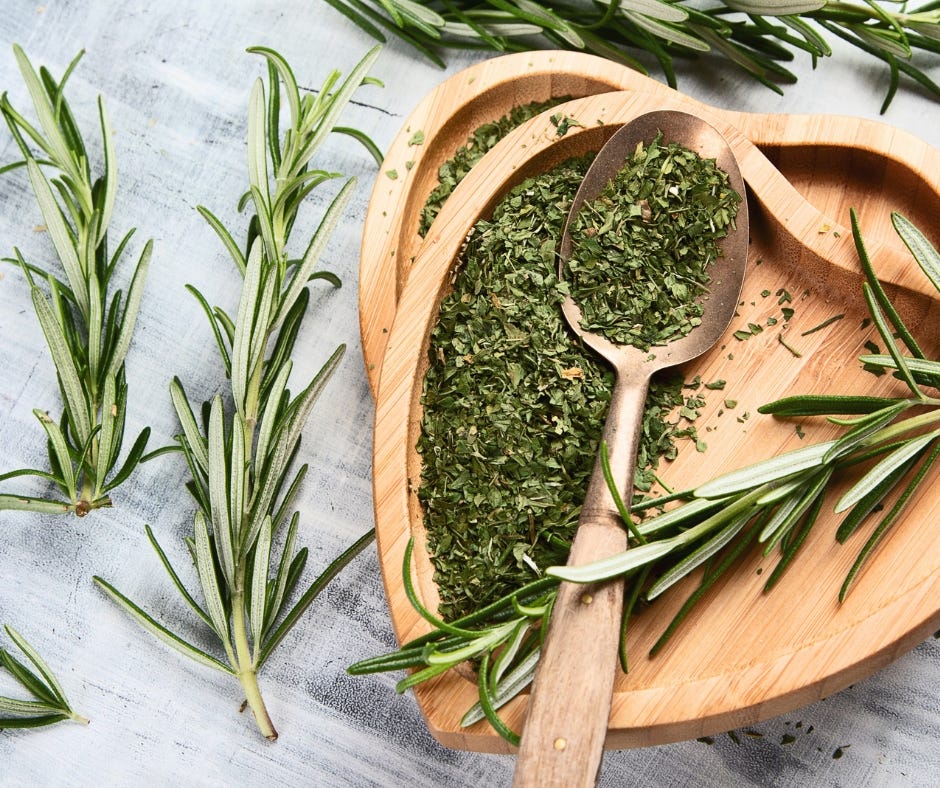
Best with: Lamb, beef, roasted potatoes, garlic
Why it works: Bold, piney, and aromatic — it stands up to rich meats.
Try it: Chop finely; a little goes a long way.
When using fresh herbs, it’s important to know when to add them. Add them towards the end of your cooking process to preserve their flavor.

If you’re inspired to try this herbaceous delight, check out this Chicken and Herb Dumplings recipe for guidance. You’ll soon find that fresh herbs are your best friends in the kitchen.
🌶️ The Spice Pairing Guide
Spices build warmth and depth. Think of them as the “base note” of your dish.
🎃 Cumin
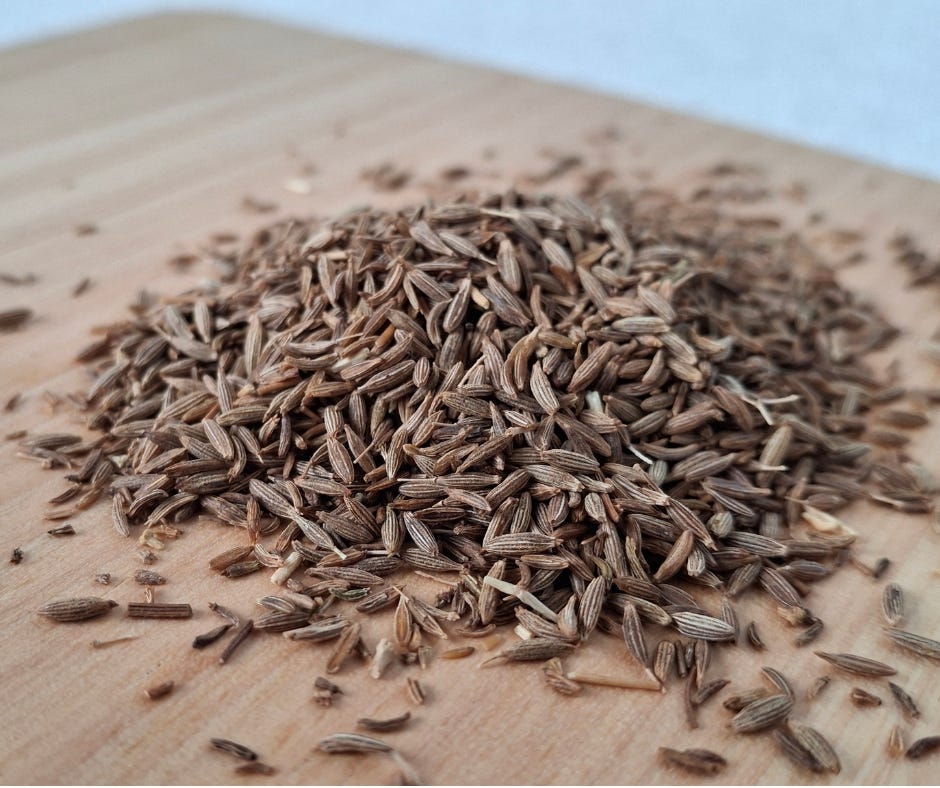
Best with: Squash, lentils, beef, chickpeas
Why it works: Earthy and nutty, cumin enhances natural sweetness.
Try it: Toast cumin in oil before adding other ingredients.
🌰 Coriander
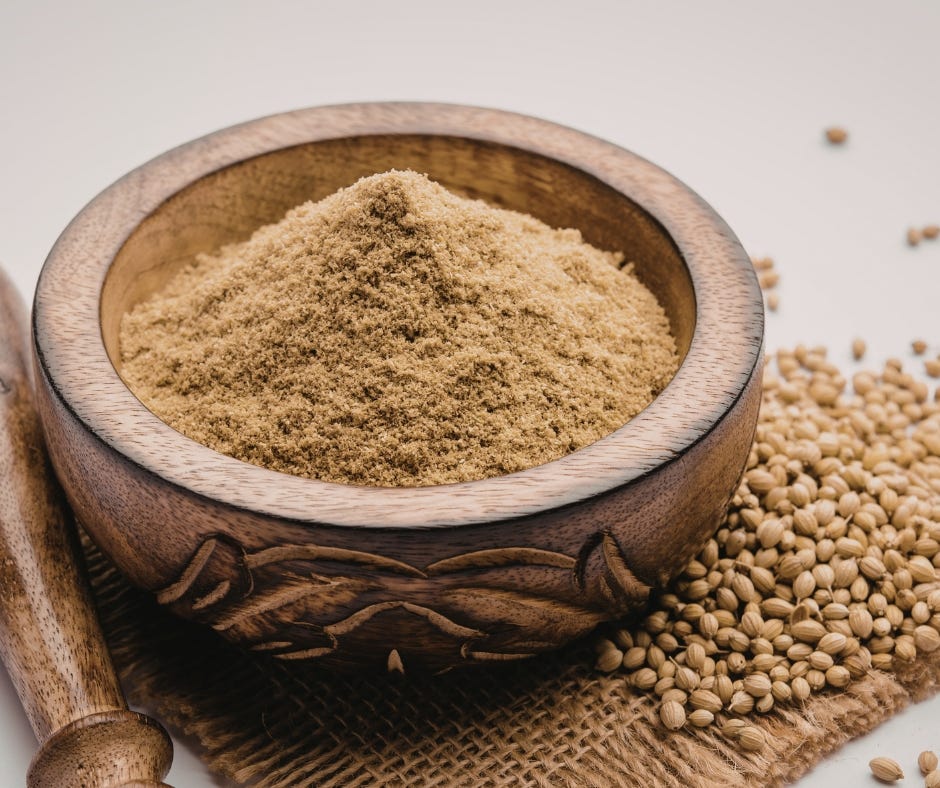
Best with: Carrots, chicken, citrus, pork
Why it works: Slightly sweet and floral — it brightens savory dishes.
Try it: Pair with cumin for balanced warmth.
🍠 Smoked Paprika
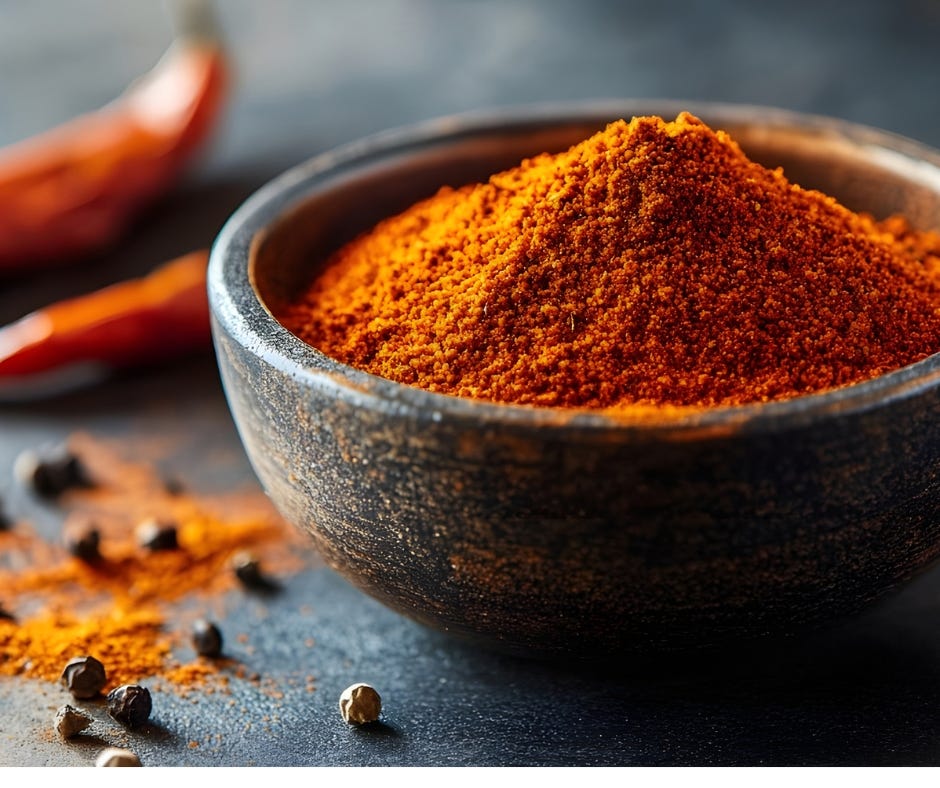
Best with: Potatoes, eggs, chicken, beans
Why it works: Adds smokiness without a grill.
Try it: Sprinkle over deviled eggs or roasted vegetables.
🍎 Cinnamon
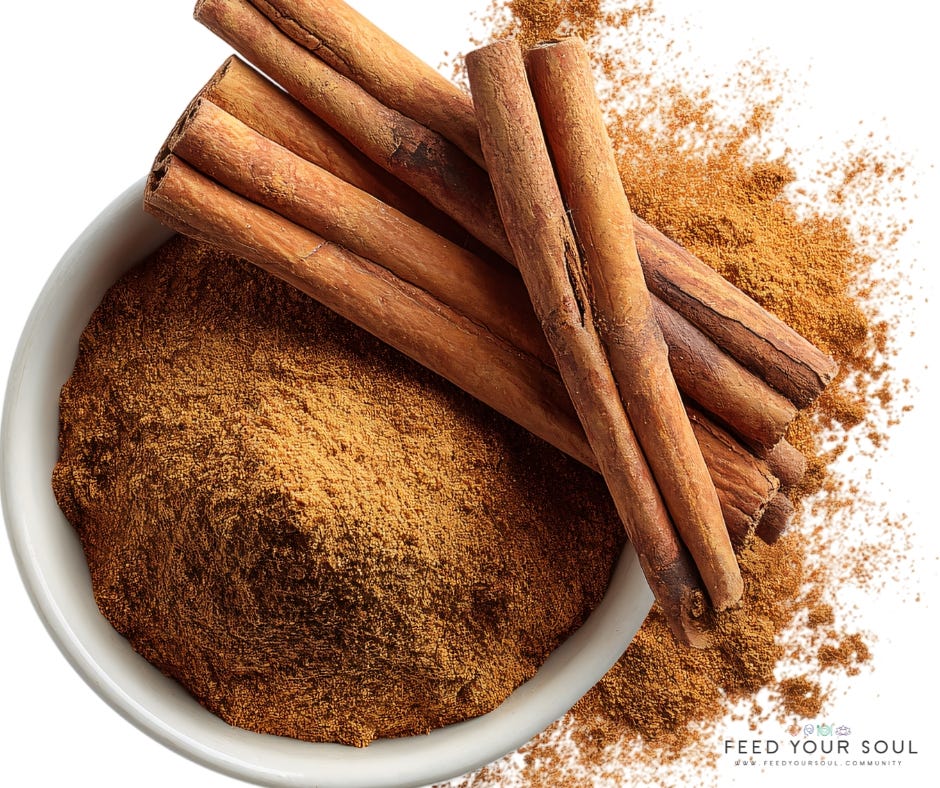
Best with: Lamb, chili, tomato sauces, sweet potatoes
Why it works: Warmth enhances sweetness and depth.
Try it: A tiny pinch in savory dishes adds intrigue.
🧄 Garlic (Yes, It Counts!)
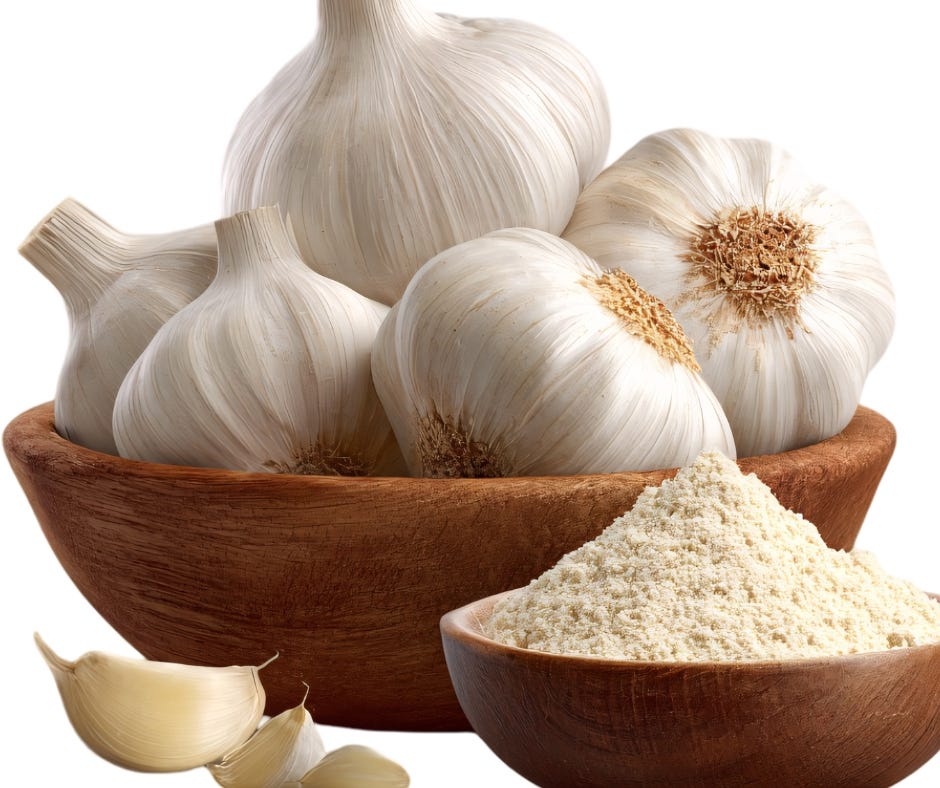
Best with: Everything 😄
Why it works: Savory backbone builder.
Try it: Add early for mellow flavor, late for punch.
The key is in the balance. Use a base of garlic powder for savory undertones, then sprinkle some red pepper flakes for a subtle heat. This spice combination complements the sweetness of roasted vegetables, creating a harmonious balance.

Want to try it yourself? Discover the full recipe for Tuscan Chicken + Roasted Vegetable Pasta Primavera. These spices will quickly become your go-to for hearty, flavorful meals.
🧠 How to Build Flavor Without a Recipe
Here’s a simple formula you can follow anytime:
Pick your main ingredient (chicken, squash, fish, pasta).
Choose one herb that complements it.
Add one spice for depth.
Finish with acid (lemon, vinegar) to brighten.
Example:
Roasted squash + cumin + thyme + squeeze of lemon = balanced, layered, and soulful.
Ever wanted to perfect your gyro-making skills? Join our virtual cooking class and learn hands-on from the comfort of your home. Our classes are dynamic, allowing you to cook alongside a chef in real time.

Experience the joy of creating authentic flavors with traditional herbs like dill and mint. These not only enhance the taste but also bring the Mediterranean right to your kitchen.
The longer you wait, the more you miss out on these enriching experiences. Sign up for our Gyro Night class and become a master of Greek cuisine.
👩🍳 Chef Pro Tips
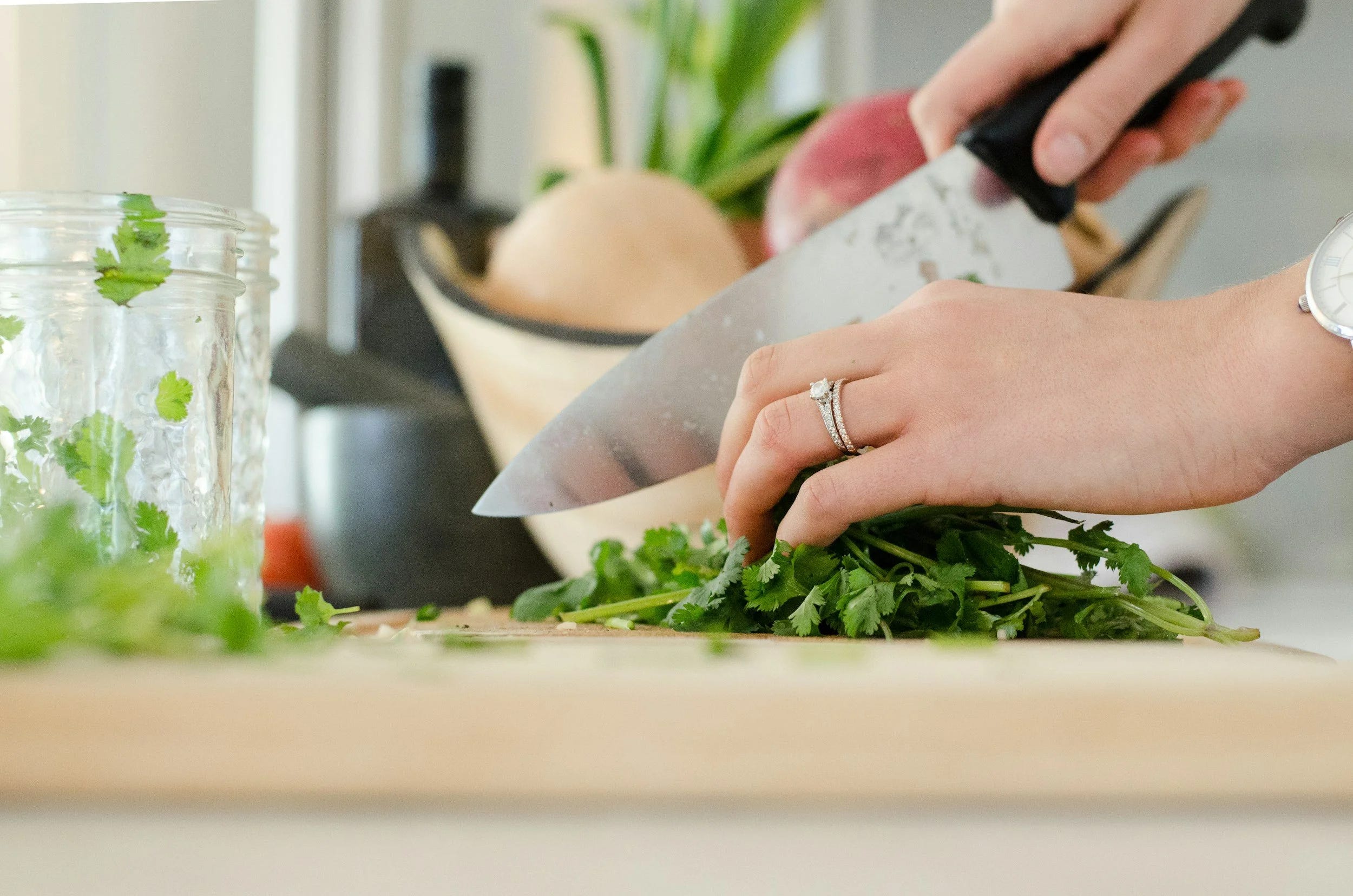
✨ Fresh herbs go in at the end for brightness.
✨ Dried herbs go in early so they can bloom.
✨ Toast whole spices in a dry pan to wake them up.
✨ If your dish tastes flat, it probably needs salt or acid — not more herbs.
💛 Why This Matters
Understanding pairings means:
You waste less food.
You cook more confidently.
You improvise beautifully.
You build your own flavor style.
This is how you move from “recipe follower” to “flavor builder.”
And around here, we build flavor with heart, mind, belly, and spirit.
What’s your favorite herb + ingredient combo?
Are you Team Basil + Tomato or Team Dill + Salmon?
Drop it in the comments — let’s build the Feed Your Soul flavor chart together. 🌿✨
Since my hubby is allergic to onions and most things in that family , I found that if I use a little asafoetida (hing) in leiu of onion and garlic he does not react to it. I just use a tiny pinch and bloom it in hot oil or ghee. Until that is done, the smell is a bit off-putting. If the dish would marry nicely with the flavor, I will use fennel instead of the onions.