

Boil water. Add noodles. Drain. Sauce. Done.
But if your pasta is ever bland, mushy, sticky, or weirdly watery, it’s not your sauce’s fault—it’s your technique. And once you dial in a few simple fundamentals, your favorite pasta dishes instantly level up from “fine” to feed-your-soul good.
Today, we’re talking about how to cook pasta properly—starting with the most misunderstood step of all: salting the water.
🧂 Step 1: Salt Your Water Like You Mean It
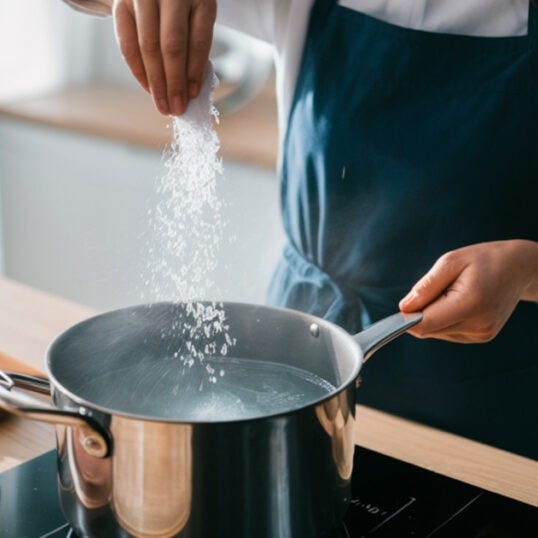
If your pasta tastes flat, this is almost always why.
Pasta absorbs water as it cooks—and that water is your only real chance to season it from the inside out. Sauce seasons the outside. Salted water builds flavor into every bite.
👉 The Golden Rule:
Your pasta water should taste like the sea.
How much salt is that, exactly?
About 1–2 tablespoons kosher salt per pound of pasta
For a large pot (4–6 quarts), aim for 1 generous tablespoon
👩🍳 Chef Pro Tip:
Add the salt after the water comes to a boil so it dissolves properly and doesn’t pit your pot.
💧 Step 2: Use More Water Than You Think You Need
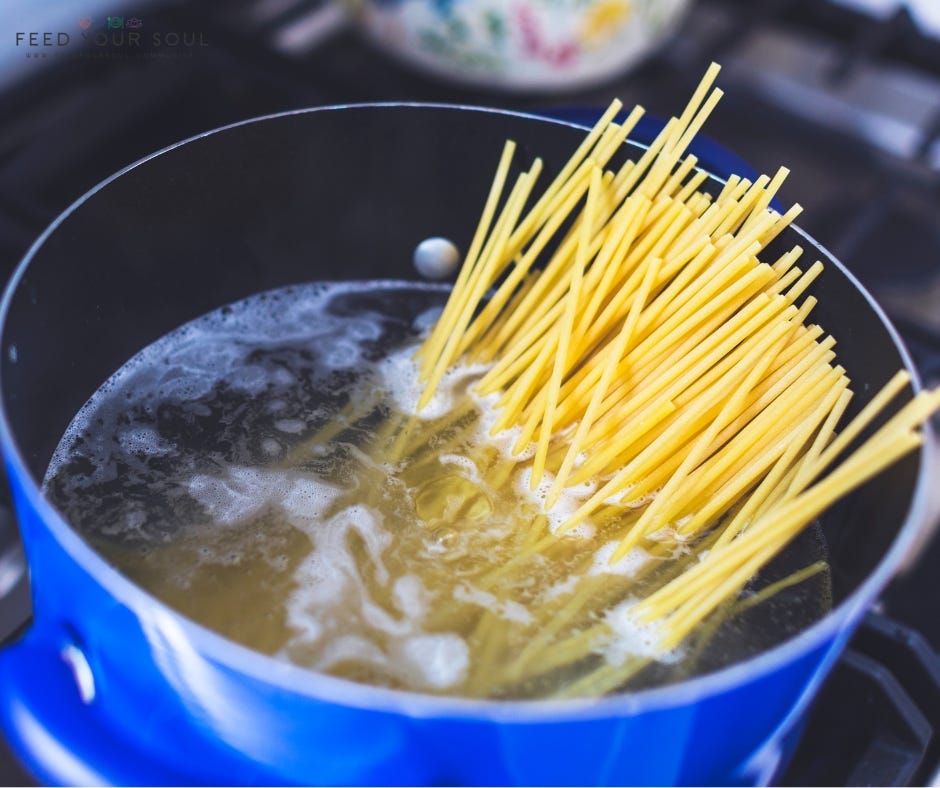
Crowded pasta = sticky pasta.
Give noodles room to move so they cook evenly and don’t clump together.
Rule of thumb:
4–6 quarts of water per pound of pasta
A rolling boil before the pasta goes in (not a gentle simmer)
👩🍳 Chef Pro Tip:
If your water stops boiling when you add pasta, wait for it to come back to a boil before starting your timer.
🕒 Step 3: Cook to Al Dente (Not “Whatever the Box Says”)
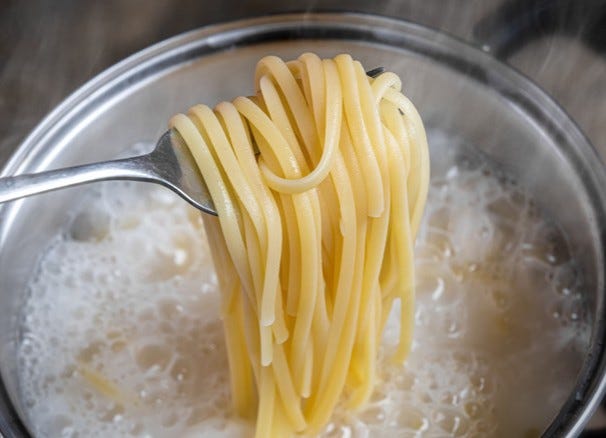
“Al dente” means tender with a slight bite—not crunchy, not mushy.
Start tasting your pasta 2 minutes before the package time. You’re looking for:
No chalky center
Slight resistance when you bite
A silky—not gummy—texture
👩🍳 Chef Pro Tip:
Your pasta is best when it finishes in the sauce, not in the water. Pull it a little early.
🥄 Step 4: Save That Pasta Water (Liquid Gold Alert 🚨)
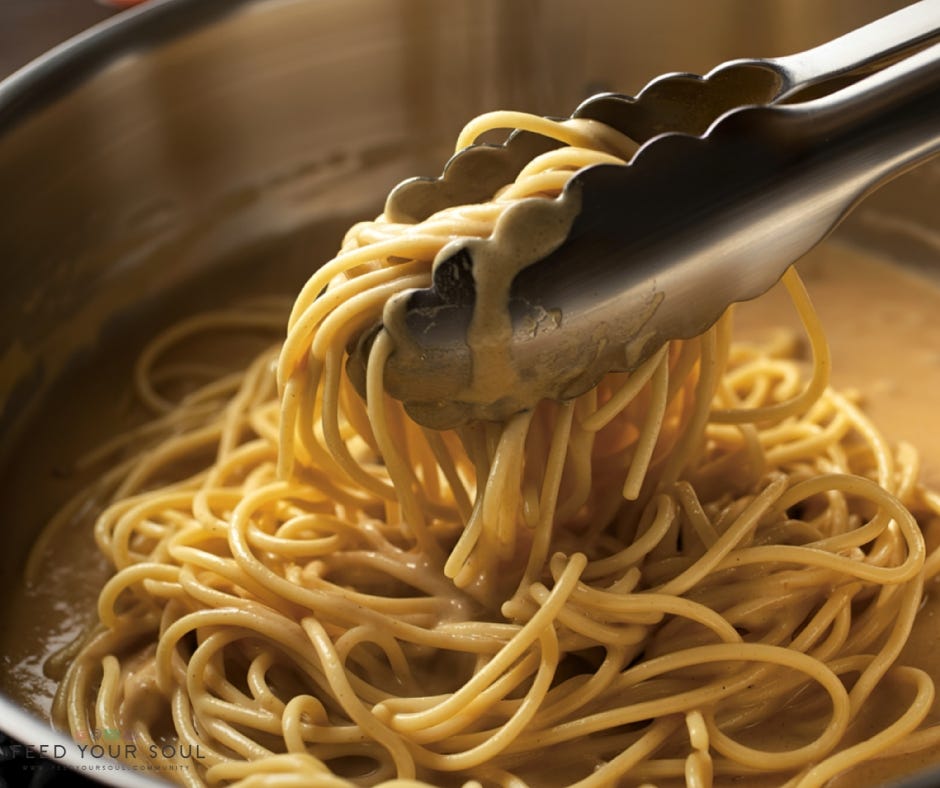
Before you drain your pasta, scoop out 1–2 cups of the cooking water.
This starchy, salty liquid is your secret weapon for:
Loosening thick sauces
Helping sauce cling to noodles
Creating silky emulsions (especially with butter, oil, or cheese)
👩🍳 Chef Pro Tip:
Add pasta water a splash at a time while tossing your pasta with sauce. Watch it transform into something glossy and restaurant-worthy.
❄️ Step 5: Don’t Rinse—Cool It the Restaurant Way
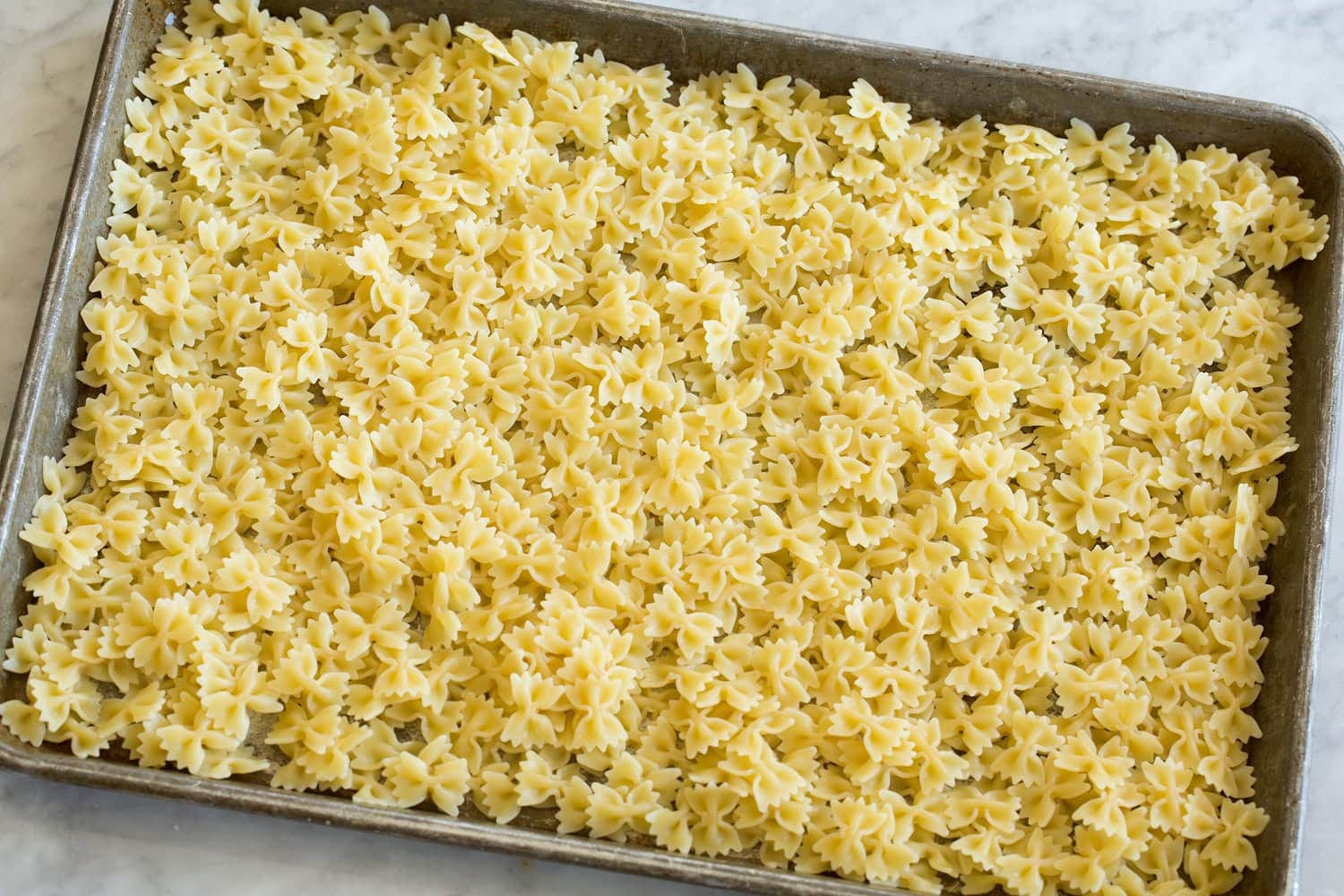
Rinsing pasta washes away flavor and the surface starch that helps everything taste cohesive. Even for pasta salad, I don’t rinse.
Instead, I use a simple restaurant trick that keeps noodles perfectly tender, flavorful, and non-sticky.
Here’s how to do it right:
Drain the pasta well.
Spread it out in a single layer on a lightly oiled sheet tray.
Drizzle with a small amount of olive oil and toss gently.
Pop it into the fridge to cool quickly and evenly.
This method:
Stops the cooking without shocking the pasta
Preserves surface starch for better texture
Prevents sticking without waterlogging your noodles
Keeps flavor intact (which rinsing absolutely does not)
👩🍳 Chef Pro Tip:
This technique works beautifully for meal prep, pasta salads, and make-ahead service. It’s how we cool pasta in professional kitchens—and once you try it, you’ll never go back to rinsing again.
🍝 Bonus: Match the Shape to the Sauce

Not all pasta is created equal—and sauce pairing matters more than you think.
Long noodles (spaghetti, linguine): silky sauces, olive oil, carbonara
Tube shapes (penne, rigatoni): chunky sauces, meat ragù
Ridges (rigate): anything creamy or hearty
Tiny shapes (orzo, ditalini): soups and salads
👩🍳 Chef Pro Tip:
Ridges + holes = maximum sauce delivery system.
🔥 The Big Takeaway
Great pasta isn’t about fancy ingredients—it’s about respecting the process.
Salt the water.
Give it space.
Taste early.
Save the water.
Finish in sauce.
Once you master these five steps, every pasta night becomes a confidence boost instead of a gamble.
🍴 The Final Bite
The best cooks aren’t the ones who memorize recipes—they’re the ones who understand why things work.
If pasta is your comfort food (same), learning this technique unlocks a whole new level of joy in the kitchen.
💬 Let’s Keep the Conversation Going:
Do you salt your pasta water? How much? What’s your go-to pasta shape + sauce combo? What questions have always confused you about pasta?
Drop your thoughts, questions, and experiments below—The Tip Jar is better when we learn from each other. 💛
Love this breakdown. The pasta water point is so underrated, alot of home cooks don't realize that starchy liquid is what makes restaurant pasta look glossy instead of just wet. I used to rinse my pasta salad noodles until a chef friend showed me the sheet pan trick, total gamechanger for texture. Small fundamentals like proper salting really do elevate the whole dish.