

BUT… even the best thermometers can drift out of sync without telling you. And that tiny shift? It can be the difference between chef’s kiss and “why is this roast suddenly dry?”
No stress! Today’s Tip Jar is all about giving your thermometer a tune-up. A few simple tests and tweaks will instantly make your cooking more accurate, your baking more consistent, and your candy-making a whole lot less dramatic. 🔧✨
Ready to cook smarter, not harder? Let’s dive in.
📏 Why Calibration Matters (AKA: Precision = Deliciousness)
Think of temperature like a secret language your food speaks.
Candy stages depend on exact degrees.
Chicken is only juicy when pulled at the perfect internal temp.
Custards? They live and die by precision.
So when your thermometer is off — even by a few degrees — your results can go sideways. The good news? Calibration is quick, easy, and wildly worth it for anyone who wants restaurant-level dishes at home.
🌡️ Easy, Foolproof Ways to Test Your Thermometer
Before you recalibrate, you need to know how far off it is. Here are the two classic chef-approved tests:
❄️ 1. Ice Water Test (The Gold Standard)
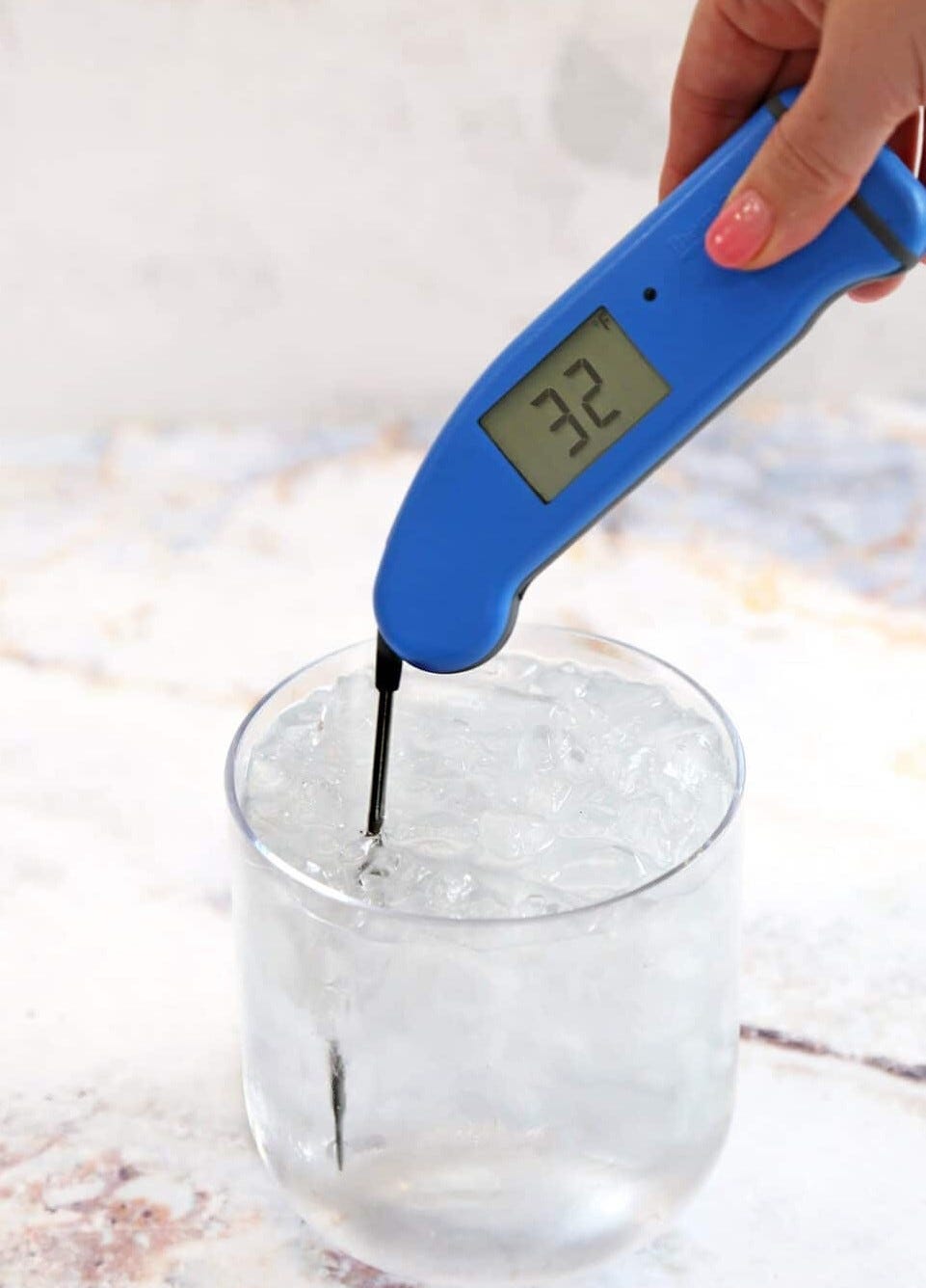
Fill a glass with ice, then top it with cold water.
Stir, let it chill for a minute, then insert your thermometer.
It should read 32°F (0°C).
If it doesn’t? It’s calibration time.
Perfect for: pretty much every thermometer.
🔥 2. Boiling Water Test
Bring a pot of water to a boil. Carefully insert your thermometer.
At sea level, it should hit 212°F (100°C).
If you’re at higher elevation, subtract 1°F for every 500 feet above sea level.
Perfect for: dial and digital thermometers.
📱 3. Digital Reset Method
Many digital probes have a built-in reset or calibration setting.
Check your model’s instructions for the quickest fix.
Perfect for: tech-loving cooks and anyone who wants fuss-free accuracy.
🛠️ How to Calibrate Your Thermometer (Super Simple!)
Once you know the difference, adjusting it is fast:
Dial thermometers often have a calibration nut on the back — just twist until it reads correctly in ice water.
Digital thermometers usually involve holding down a button or following a quick reset sequence.
Take a minute now, and your next roast or custard will thank you. 💛
🍳 Pro Tips for Thermometer Mastery
🥄 Know Your Gear
Dial, digital, infrared — each plays differently. Digital tends to be the most accurate (and easiest to adjust), but dial thermometers are the kitchen workhorses.
📅 Make It a Ritual
Check your thermometer monthly OR anytime you’re cooking something temperature-sensitive — like holiday roasts, caramel, jam, or deep-fry nights.
🧼 Store It Smart
Give your thermometer a cozy home. A sleeve or case keeps it safe from bumps, bends, and drawer avalanches.
✨ When in Doubt, Upgrade
If it won’t hold calibration, it’s time to treat yourself. (You deserve tools that work as hard as you do!)
🎁 Gifts from the Kitchen Class

Want to sweeten your skills? Join my Gifts From the Kitchen class and learn how temperature transforms recipes into wow-worthy treats. From toffee to cookies, I’ll walk you through the techniques that make homemade gifts taste like they came from a pro kitchen. 🍪✨
🍬 Try This: Vanilla Bean Caramels

Put your newly tuned thermometer to the test!
Caramels are the perfect recipe for practicing precision — warm cream, fragrant vanilla, bubbling sugar, and that magical moment when it hits the exact right stage.
The full recipe is waiting for you on the blog — grab your thermometer and give it a whirl!
🍽️ For the detailed recipe, visit the linked blog.
🔥 The Final Bite
See? Calibration isn’t scary — it’s empowering! Now you’re cooking with chef-level accuracy, and your thermometer is officially back in its groove. Whether you’re whipping up caramel, frying chicken, or roasting the perfect turkey, you’ve unlocked the secret language of temperature. Keep this trick in your apron pocket and watch your dishes go from “pretty good” to “WOW, you made this?!” 🔥🧡