

If your home-cooked rice sometimes turns out gummy, clumpy, or stuck like a love-struck barnacle to the pot, you’re not alone. The good news? With a few small tweaks, you can cook rice like a pro and recreate those restaurant-worthy results in your own kitchen.
🌾 Around the World in a Bowl: Rice Varieties to Know
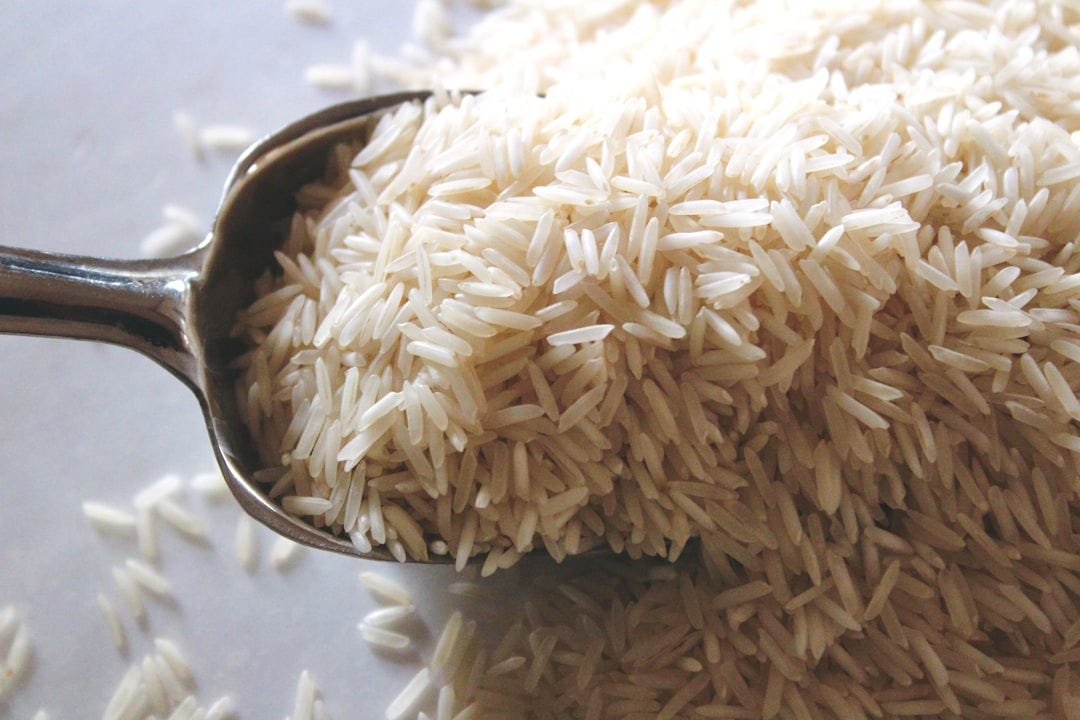
Rice is anything but boring—it’s the canvas for countless cuisines. Each variety brings its own texture, aroma, and personality to the plate. Let’s meet a few favorites that every home cook (and restaurant regular) should know.
Jasmine 🌸— The Fragrant Favorite
Jasmine rice tickles the nose with its floral aroma. A beloved staple in many Asian dishes, it pairs beautifully with curries. Its soft, slightly sticky texture is just right for soaking up rich sauces.
💡 Pro Tip: Rinse jasmine rice 2–3 times before cooking to wash away excess starch and prevent clumping.
Basmati 🌿— The Long-Grain Beauty
Basmati is the go-to grain for dishes like biryani or pilaf. Its nutty aroma and slender grains give that elegant, restaurant finish.
💡 Pro Tip: Soak basmati for 30 minutes before cooking. It lets the grains elongate for that signature, fluffy texture.
Brown Rice 🌱— The Wholesome Hero
Earthy, nutty, and full of nutrients, brown rice shines in grain bowls, salads, and hearty mains.
💡 Pro Tip: Brown rice takes nearly twice as long to cook—plan ahead and use broth instead of water for a flavor upgrade.
Arborio & Carnaroli 🧀 — The Creamy Italian Duo
Essential for risotto, these short-grain rices release starch as they cook, creating that iconic velvety texture chefs love.
💡 Pro Tip: Carnaroli is often called the “King of Risotto” because it holds its shape better and yields a creamier finish.
Sushi Rice 🍣 — The Sticky Star
Short-grain Japanese rice that clings together just right for sushi rolls or poke bowls.
💡 Pro Tip: Season it with rice vinegar, sugar, and salt while it’s still warm for authentic sushi rice flavor.
Calrose 🍚 — The West Coast Classic
Medium-grain and slightly sticky, Calrose is a California-grown favorite that’s versatile enough for Asian-inspired dishes or everyday meals.
💡 Pro Tip: It’s the perfect “starter rice” for those new to sushi or grain bowls—it’s forgiving and easy to cook.
Forbidden (Black) Rice 🖤 — The Showstopper
Once reserved for Chinese royalty, this heirloom rice cooks up deep purple and slightly chewy, with notes of toasted nuts.
💡 Pro Tip: Steam or simmer gently—it can turn gummy if overcooked. Try it for dramatic plating and earthy flavor.
Wild Rice 🌾 — The Rustic Rebel
Technically a grass, wild rice brings a nutty, smoky flavor and chewy bite that’s perfect for stuffing, pilafs, or salads.
💡 Pro Tip: Combine it with white or brown rice for a textural contrast that feels gourmet.
Red Rice ❤️ — The Earthy Powerhouse
Popular in Thai and Himalayan cuisine, red rice has a chewy texture and bold, nutty taste that stands up to strong flavors.
💡 Pro Tip: It’s packed with antioxidants—swap it in for brown rice when you want something a little heartier.
🍴Choose Your Path: Cooking Methods That Make a Difference
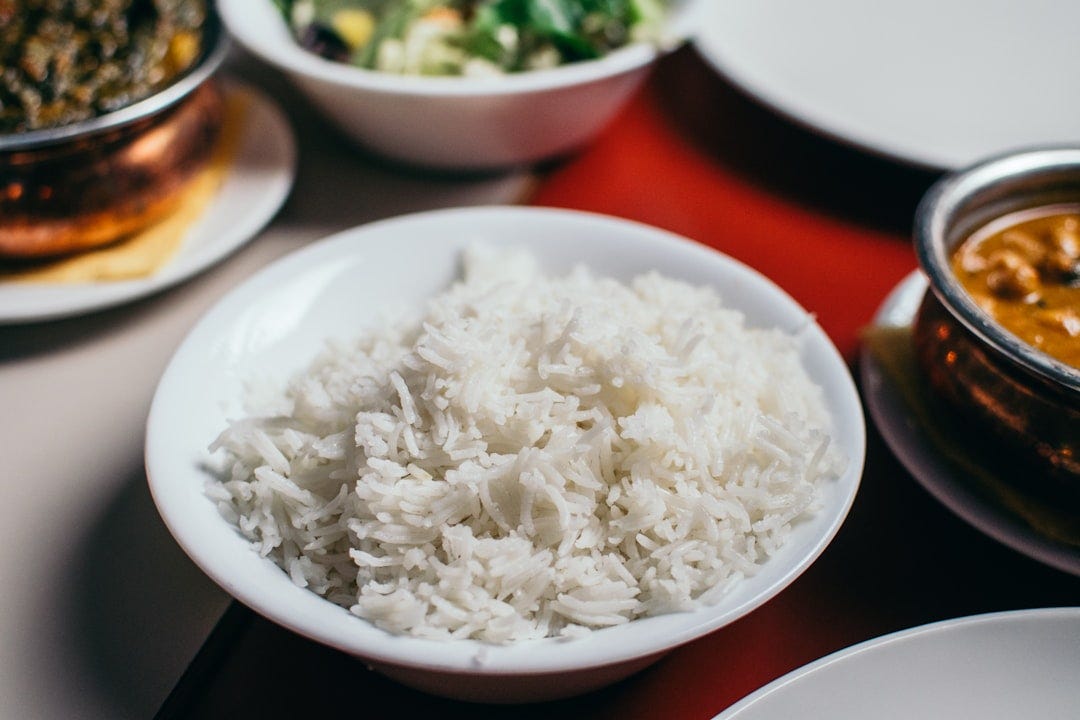
Once you’ve picked your grain, the cooking method sets the mood. Here’s how to channel your inner chef and pick the right approach for the dish on your mind.
Boiling 💧— The Classic Fix
Think of it as pasta for rice: boil, drain, and fluff. Great for long-grain rice like basmati when you want separate, airy grains.
💡 Pro Tip: Use plenty of water and drain it off once tender—no more mushy surprises.
Steaming 🌬️— The Gentle Touch
Steaming treats rice with care, keeping each grain tender and aromatic. Rinse the rice, soak for 20 minutes if you can, then line a steamer with parchment or cheesecloth. Add simmering water just below the basket, cover, and steam for about 20 minutes. Ideal for jasmine or sushi rice, steaming keeps the grains tender and aromatic.
💡 Pro Tip: Add a pandan leaf or a drizzle of coconut milk to infuse subtle, restaurant-style fragrance.
Pilaf Method 🍲— The Flavor Builder
Sauté your rice in oil or butter before simmering in broth for extra depth. This method is all about layering flavor.
💡 Pro Tip: Use a nonstick pan or cast-iron skillet for even toasting and fewer stuck grains.
Baking 🔥— The Hands-Off Hero
Perfect when you’re juggling multiple dishes. Just combine rice, liquid, and seasoning, cover, and bake.
💡 Pro Tip: Use hot water or broth before baking to speed up the cooking and prevent uneven texture.
Pressure Cooking ⏱️— The Speedy Solution
A lifesaver for brown or wild rice. Pressure cooking keeps things quick and consistent.
💡 Pro Tip: Stick to the right ratio (1 cup rice to 1¼ cups liquid) for fluffy results every time.
Risotto Method 🧀— The Creamy Classic
When comfort calls, arborio or carnaroli rice delivers that luscious, velvety texture. It’s the Italian way to say “I love you” through food.
💡 Pro Tip: Stir often, but not constantly. Let the rice rest between additions of broth to absorb flavor naturally.
✨ Final Bite
Cooking rice isn’t just a side dish—it’s a skill that turns simple meals into showstoppers. From fragrant jasmine to creamy risotto, each grain tells its own story. So next time you crave that restaurant-quality bite, grab your pot (or steamer, or oven dish), take these tips for a spin, and let your kitchen be the next favorite dining spot in town.

🍚 Craving creamy comfort?
Check out my Creamy Risotto Virtual Cooking Class — it’s a delicious way to put your new rice skills to the test and cook along with me from your own kitchen!