

And if you’ve ever stood in the grocery aisle staring at 12 bottles wondering “which one do I actually need?”—you’re not alone 😅
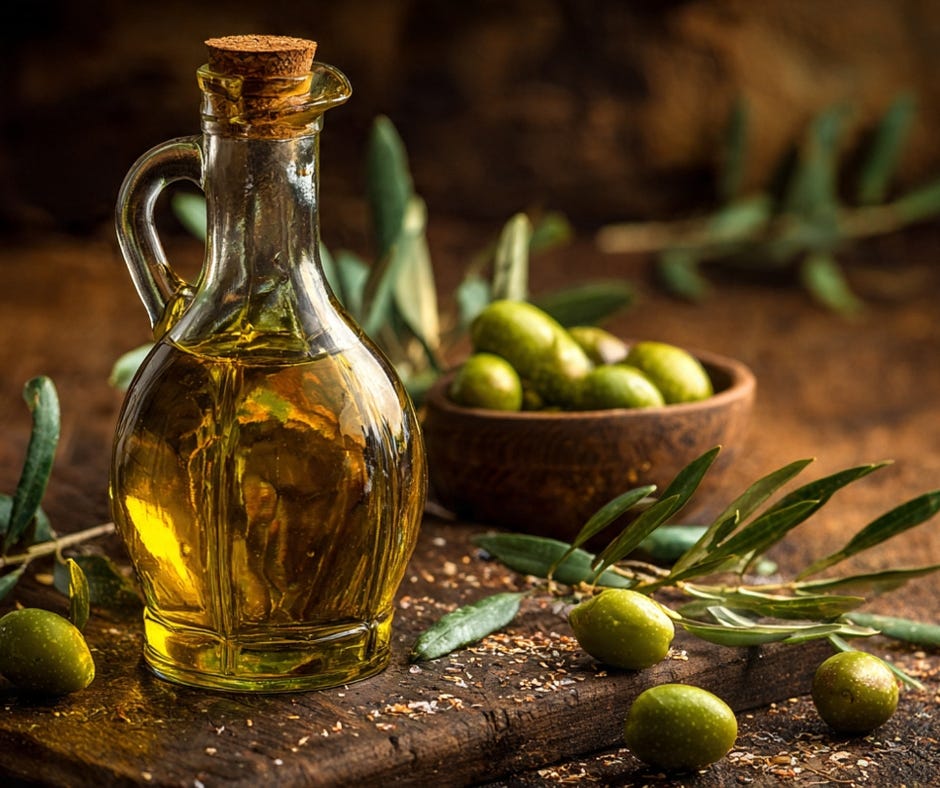
Here’s the good news: once you understand a few key types, you’ll know exactly when to cook with it, when to finish with it, and when to splurge.
Let’s break it down, Chef-style 👇
🫒 The Main Types of Olive Oil
You really only need to know these three:
🟢 1. Extra Virgin Olive Oil (EVOO)
What it is:
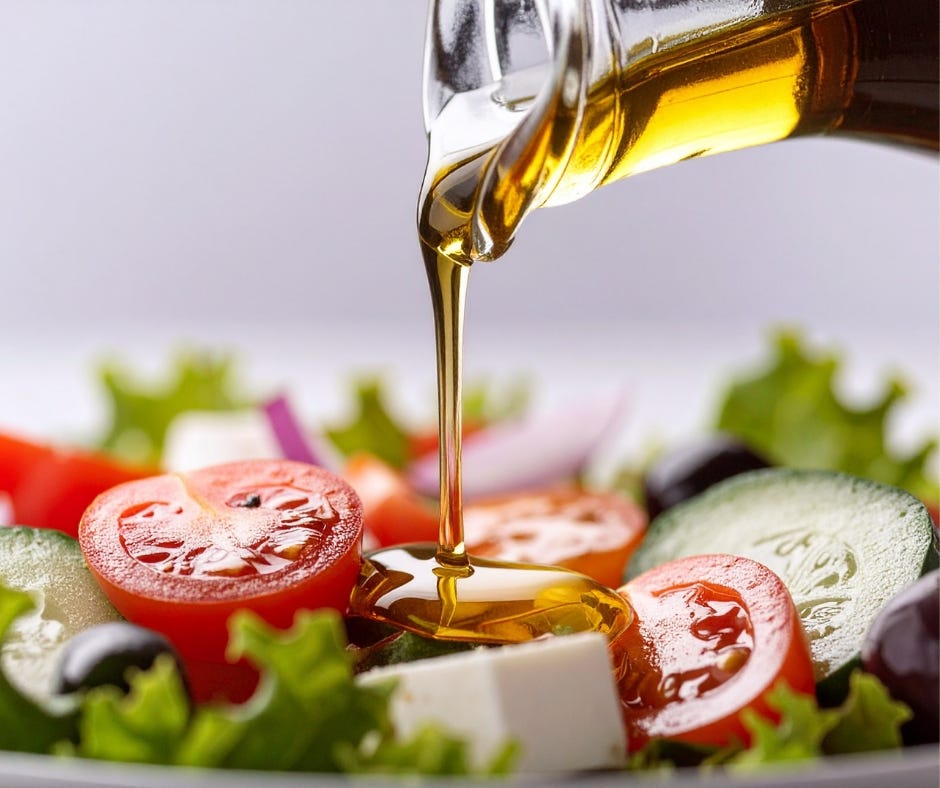
The highest quality olive oil, made from the first cold pressing of olives—no heat, no chemicals.
Flavor: Fruity, peppery, sometimes grassy or bold
Best for:
Finishing dishes ✨
Salad dressings
Dipping bread
Drizzling over veggies, pasta, meats
Why it matters: This is where you taste the olive oil—so quality counts.
💡 Chef Pro Tip: If it tastes good on its own (try a little with bread), it’s a great finishing oil. If it tastes flat or greasy—skip it.

🟡 2. Virgin Olive Oil
What it is:
Still natural, but slightly lower quality than EVOO with a milder flavor.
Flavor: Less intense, more subtle
Best for:
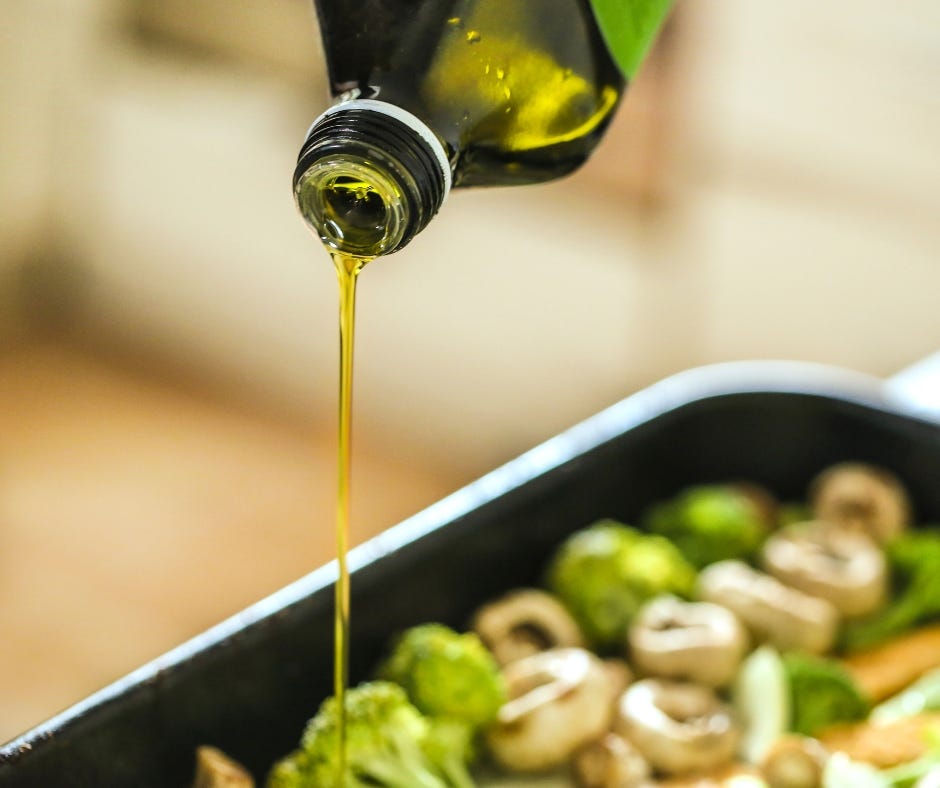
Light sautéing
Everyday cooking when you don’t want a strong olive flavor
Why it matters: A nice middle ground—but not always necessary if you already have EVOO and a neutral oil.
💡 Chef Pro Tip: Most kitchens skip this and go straight from EVOO → neutral oil. Keep it simple unless you love the nuance.
⚪ 3. Light / Refined Olive Oil
What it is:
Processed oil with a neutral flavor and higher smoke point
Flavor: Very mild (not “lower calorie”—just lighter in taste!)
Best for:
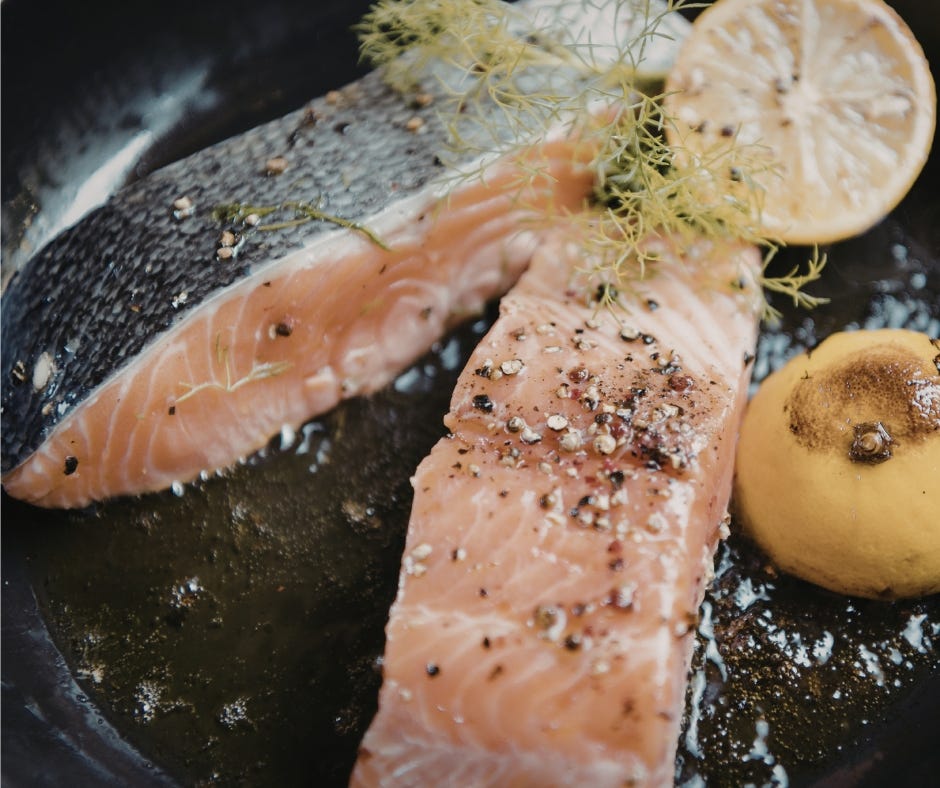
High-heat cooking
Frying
Searing
Why it matters: It won’t burn as quickly and won’t overpower your food.
💡 Chef Pro Tip: Don’t use your expensive EVOO for high heat—it loses flavor (and your money 😅). Save the good stuff for finishing.
🔥 So… Which One Should You Use?
Here’s your quick cheat sheet:
High heat (searing, frying): Light/refined olive oil or neutral oil
Medium heat (sautéing): EVOO or virgin olive oil
No heat (finishing, dressing): High-quality EVOO
🛒 What to Look for When Buying
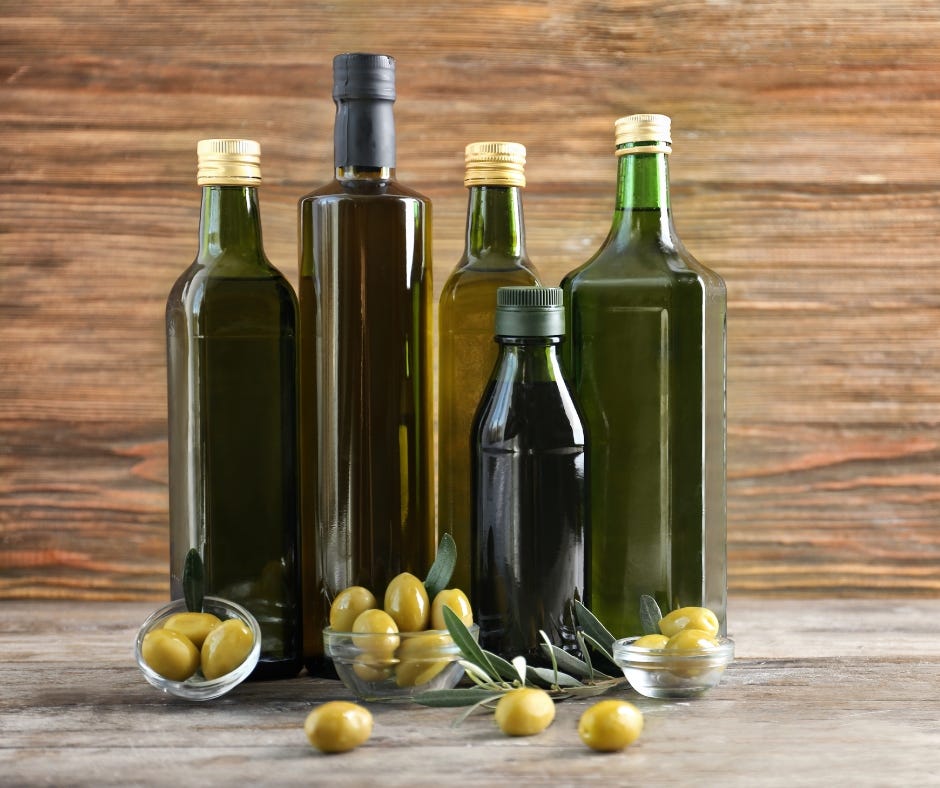
Not all bottles are equal—even if they say “extra virgin.”
Look for:
Dark glass bottles (protects from light)
Harvest or production date
Single origin or reputable brand
💡 Chef Pro Tip: Olive oil is like fresh juice—it degrades over time. Use it within a few months of opening for best flavor.
❌ Common Olive Oil Mistakes
Let’s save you from a few kitchen heartbreaks:
Using expensive EVOO for frying
Keeping oil next to the stove (heat = faster spoilage)
Thinking “light” means fewer calories
Letting a bottle sit for a year+
💡 Chef Pro Tip: Store olive oil in a cool, dark place—and treat it like an ingredient, not just a cooking tool.
🍴 Try This Tonight
Take your favorite dish—pasta, roasted veggies, even soup—and finish it with a drizzle of good EVOO. Taste it before and after… that’s the magic right there ✨ Do you have a favorite olive oil brand, or a go-to way you love to use it? Drop your picks, questions, or “aha!” moments below—I love seeing what’s happening in your kitchens 🫒💛
🧈 From the Tip Jar: Butter 101 — Your Shortcut to Richer Flavor & Better Baking

And choosing the right one can mean the difference between a croissant that sings and a cake that sulks. If you’ve ever grabbed a random block from the dairy case and hoped for the best, don’t worry—you’re in delicious company. Today, we’re taking a buttery stroll through your grocery store so you can level up flavor, texture, and confidence in every di…
From The Tip Jar: Vanilla 101

From the rich, creamy depth of Madagascar to the delicate floral notes of Tahitian, each variety brings its own personality to the plate. Whether you’re whisking up custard, shaking a cocktail, or baking cookies, knowing your vanillas can turn a good recipe into something unforgettable. In this Tip Jar, we’ll show you how to spot high-quality vanilla an…